
5 Ways Project-Based Learning in Online Homeschools Boost Student Engagement
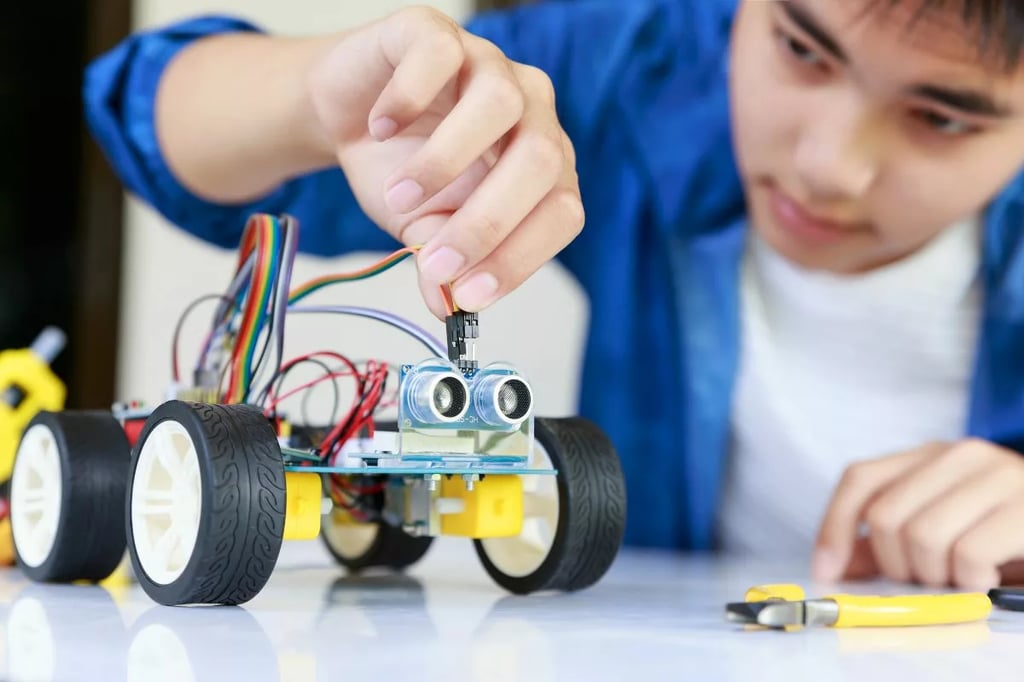
Welcome to the exciting world of project-based learning homeschool education! Project-Based Learning (PBL) is a teaching method that engages students actively in the learning process. It encourages them to investigate and respond to complex questions or challenges, integrating the knowledge they acquire into real-world scenarios. This dynamic educational approach has recently found a firm place in the private homeschool online curriculum, where it’s opening a new horizon of possibilities for middle school and high school students.

Traditional Homeschooling Challenges
Conventional homeschooling has historically emphasized a structured approach, prioritizing a predetermined curriculum and adherence to specific educational milestones. This traditional method revolves around textbook-based learning, where students follow a linear path, mastering subjects through repetitive exercises and assessments. Although this approach ensures that certain academic standards are met, it can sometimes fail to address the individual learning styles and interests of students. Consequently, this might lead to a lack of engagement and enthusiasm for learning, as the content is often presented in a uniform, one-size-fits-all manner. This is where the project-based homeschool curriculum comes into play, injecting dynamism and relevance into the learning experience.
The Power of PBL
Boosting Autonomy
One of the significant benefits of PBL is promoting autonomy. It encourages students to take ownership of their learning, driving their motivation. Parents can support this by setting clear expectations and providing the necessary resources while letting the students manage their projects. This can be especially effective in private online homeschool settings where students have more control over their learning environment.
Encouraging Collaboration
Next, PBL offers a platform for fostering collaborative learning. Working together on a project helps students build strong communication and cooperation skills. In a private online homeschooling environment, virtual tools can be utilized to promote interaction, such as video conferencing for brainstorming sessions or collaborative online platforms for project management.
Enhancing Problem-Solving Skills
PBL also plays a crucial role in enhancing students' problem-solving skills. The nature of PBL encourages students to confront challenges, come up with solutions, and learn from their mistakes. For instance, an online private school curriculum can include PBL assignments that present real-world problems for students to tackle, thereby improving their critical thinking abilities.
Stimulating Creativity
Creativity is a significant part of PBL. By its very nature, PBL compels students to think innovatively and approach problems with a fresh perspective. This is particularly critical in the private online middle school setting where students are transitioning from concrete operational stages to more formal operational thinking, according to Piaget’s theory of cognitive development. This phase is ideal for nurturing creative thinking skills as students start to understand abstract concepts and can handle more complex tasks. In a PBL framework, students are often tasked with projects that require inventive solutions—whether designing a sustainable garden, creating a documentary, or developing a mobile app. The diversity of these projects allows students to utilize and strengthen their creative muscles, encouraging them not just to find answers but to question how those answers are achieved.
Multimedia tools such as video editing software, digital art platforms, and interactive coding environments offer students various ways to express and execute their ideas. For instance, students might use animation software to create an educational series on historical events or develop a virtual reality tour of a geological site. These digital tools provide a canvas for students to not only engage with the material on a deeper level but also to create outputs that are potentially sharable with a wider audience.
Offering Real-World Relevance
Lastly, PBL offers real-world relevance, making the learning process more meaningful. By working on projects that have a direct connection to real-world situations, students can understand the application of what they're learning. Online middle school programs can integrate PBL assignments that correspond with current events, community issues, or potential future careers.
Technology and PBL
As we plunge more profoundly into the digital age, the role of technology becomes increasingly crucial in facilitating Project-Based Learning (PBL) within the realm of online homeschooling. A landscape once considered challenging to navigate has been significantly enhanced thanks to the advent of numerous user-friendly and readily accessible digital platforms. Here's a closer look at the specific benefits these platforms provide:
- Seamless Collaboration: As discussed previously, digital platforms have transformed the landscape of student collaboration. Tools such as shared documents, online whiteboards, and real-time communication apps enable students to collaborate seamlessly across different locations. This ability to work together, regardless of geographical barriers, allows for an immediate and free exchange of ideas, closely simulating an in-person classroom environment. Moreover, these platforms come equipped with features that help in tracking individual and group progress and seamlessly integrate constructive feedback. The result is a more coordinated and productive approach to group projects and collective learning efforts, which enhances the overall educational experience.
- Comprehensive Research Tools: Online databases, academic journals, and extensive digital libraries provide materials on almost any subject, facilitating academic research. These platforms are specifically designed to improve research efficiency, enabling quick searches, easy access, and seamless cross-referencing of sources. Furthermore, advanced search functionalities that filter and suggest relevant scholarly articles enhance the scope and depth of academic research, making it possible for students to engage deeply with their study topics.
- Effective Presentation Capabilities: In academic and professional settings, the ability to present information is essential. Modern digital platforms cater to this need by offering a variety of tools that aid in creating high-quality presentations. These tools include customizable templates, options for multimedia integration, and interactive elements that can captivate an audience. Additionally, students can share their presentations online, receive feedback in real-time, and make necessary adjustments swiftly. In addition to facilitating efficient communication, this feature of digital platforms helps students acquire critical presenting skills that will be essential for their future employment.
- Interactive Learning Environments: Modern educational platforms are increasingly incorporating interactive features that create engaging and dynamic learning experiences. These platforms often include video tutorials, quizzes, and interactive games that not only make learning enjoyable but also cater to the varying educational needs of students. They allow for personalization of the learning journey, adapting to the pace and style of each student. This level of interactivity not only improves information retention but also encourages students to explore topics more thoroughly, thus enhancing their overall educational experience.
- Access to Global Perspectives: Digital platforms enable students to connect with peers from diverse cultural backgrounds, creating a global classroom environment. This exposure to a multitude of perspectives is invaluable, enriching students’ understanding of the world and promoting cultural awareness. It enhances language skills, increases global awareness, and fosters tolerance. Through discussions and collaborative projects, students can gain insights and learn from global viewpoints that are beyond the scope of traditional textbooks, preparing them for a more interconnected and multicultural world.
As we continue to navigate through this digital era, the impact of these platforms on education is undeniable, offering tools that not only simplify learning processes but also expand the horizons of what can be achieved through collaborative and interactive educational experiences.
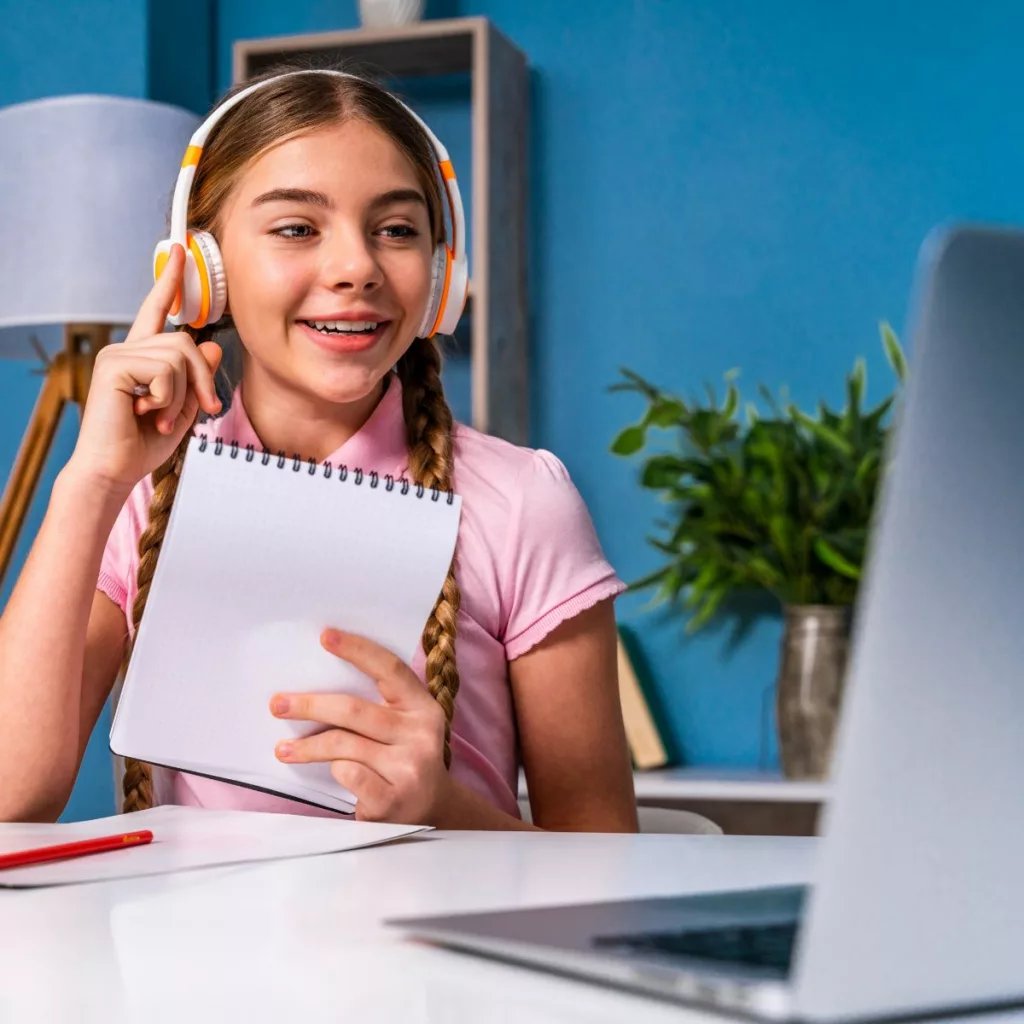
A critical aspect of PBL in homeschooling is the empowering, student-centered approach it incorporates. Utilizing digital tools, students are given substantial autonomy to regulate their unique learning paths, fostering a sense of ownership and accountability over their educational journey. They are encouraged to be active learners, generating ideas, setting learning objectives, and conducting their projects.
Meanwhile, virtual teachers, utilizing these same digital tools, offer a distinctive blend of guidance and oversight. They monitor each student's progress, ensuring that they're on track, providing constructive feedback, and facilitating interventions when necessary. At the same time, they offer the necessary scaffolding, creating a balance between student independence and structured learning. This multifaceted interaction between technology, PBL, and homeschooling blends to offer a robust and personalized education experience.
Evaluating PBL
Measuring the success of Project-Based Learning (PBL) is indispensable to not only ensure its effectiveness but also to identify areas that might need adjustments for continuous improvement. This process of evaluation is complex and multifaceted, reaching beyond traditional testing measures and taking into account various significant aspects of a learner's journey.
- Quality of Deliverable - Evaluating the success of PBL can significantly focus on the quality of the final project submitted by the student. This measure includes assessing the level of creativity and innovation applied, the depth of critical thinking and problem-solving skills displayed, and the student’s comprehensive understanding of the subject matter. Furthermore, the clarity and persuasiveness of the project's presentation also play a critical role. Effective projects often reflect a thorough integration of knowledge and skills, showcasing the student's ability to apply learning in practical, real-world contexts. Assessors look for evidence of thoughtful research, structured execution, and a polished presentation to determine the project's quality.
- Improvement in Skills - A pivotal indicator of PBL success is the observable enhancement in a student's skills throughout the project duration. This assessment involves not only academic abilities directly related to the project topic but also essential soft skills such as teamwork, communication, leadership, and time management. Evaluators typically measure skill improvement by comparing various aspects of the student's performance at the commencement of the project against those at its conclusion. Such comparisons help highlight growth in both cognitive and interpersonal capacities, illustrating how effectively the project has contributed to the student's personal and educational development.
- Student Engagement - The degree of student engagement during the PBL process provides crucial insights into the project's impact and the effectiveness of its implementation. High levels of engagement are indicative of a project that is both well-planned and captivating, suggesting that students are not only involved but are also motivated and intellectually stimulated. Engagement can be measured through observations of active participation, the quality and frequency of questions posed by students, and their overall enthusiasm and commitment to the project tasks. A highly engaged group of students is often a sign of successful instructional design and meaningful content.
- Feedback - Within the PBL framework, the function of ongoing feedback plays a crucial role in evaluating and improving student performance. Regular constructive critiques from peers and educators are vital for providing students with insights into their progress and areas requiring attention. This feedback helps students refine their work iteratively and fosters a responsive learning environment where guidance is readily available. Additionally, the feedback mechanism supports educators in making real-time adjustments to the project scope or methodology, ensuring that learning objectives are effectively met.
By focusing on these diverse metrics, educators can comprehensively assess the efficacy of Project-Based Learning and make informed decisions to continually optimize the educational experience for students. This approach ensures that PBL remains a dynamic and responsive teaching method, capable of meeting the evolving educational needs and challenges of students.

The Potential of PBL
With its focus on active learning and real-world problem-solving, PBL can inspire a lifelong love for learning in students. It encourages independent thinking and builds resilience as students navigate through challenges and learn from their mistakes. These traits are invaluable, fostering a student-centered education that prepares students not only academically but also personally for their future.
The integration of Project-Based Learning into online homeschooling has shown promising potential to enhance student engagement significantly. The interactive, collaborative, and real-world-oriented approach of PBL can transform traditional homeschooling into a vibrant and dynamic learning experience. So, if you're a parent considering online homeschooling for your child, remember the benefits that a project-based high school or middle school program can bring. Let's embrace the PBL journey, and together, we can revolutionize the homeschooling experience!