
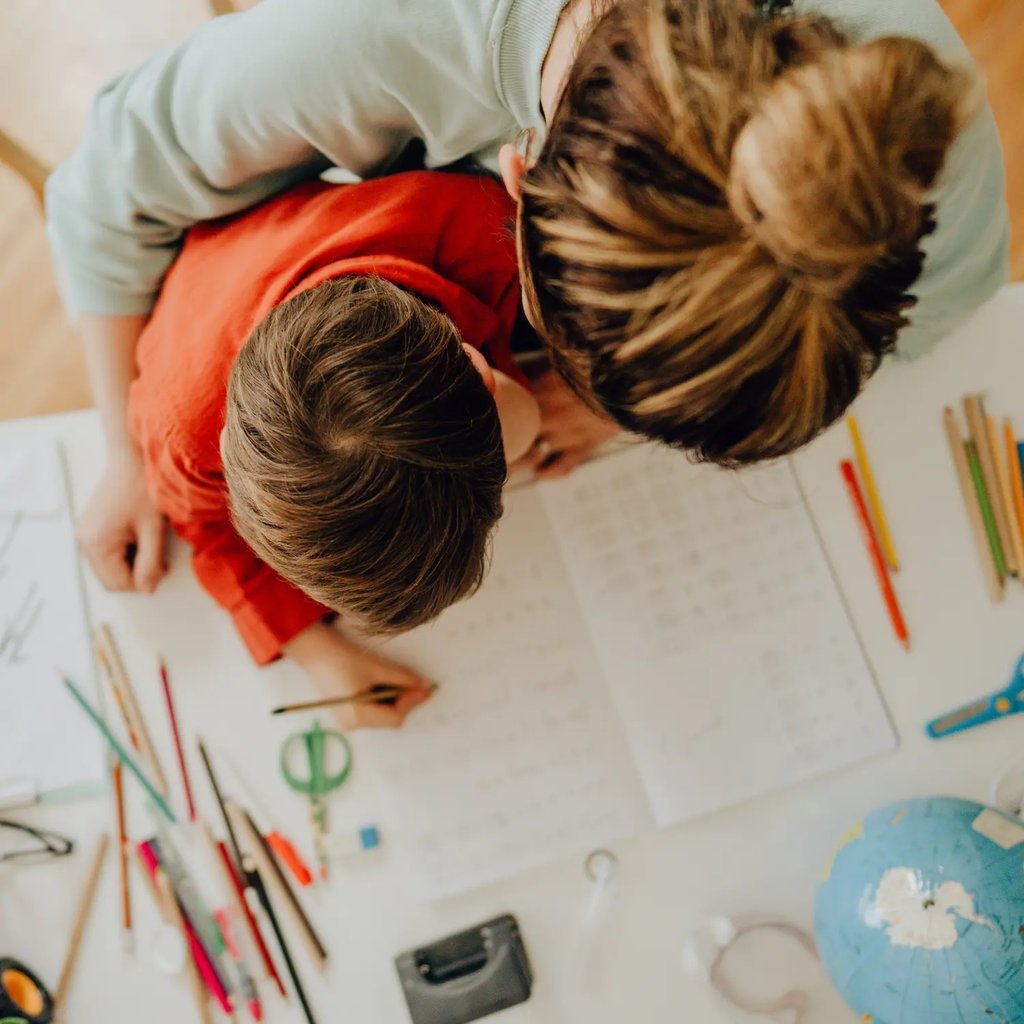
Beyond the Curriculum: Nurturing Independence in Homeschooled Learners
In recent years, the landscape of education has undergone significant transformations, with homeschooling emerging as a prominent alternative to traditional schooling methods. This shift has not only changed how subjects are taught but also how students learn, placing a greater emphasis on nurturing independence among learners. Homeschooling, by its nature, offers a unique opportunity to tailor the educational experience to each student's needs, interests, and pace of learning. This personalized approach encourages students to take charge of their education, fostering a sense of responsibility and self-motivation that is vital for lifelong success. As we delve deeper into the nuances of homeschooling, it becomes clear that building critical thinking in online homeschool environments is not just an option but a necessity for preparing students for the complexities of the real world.
Fostering Critical Thinking Through Online Homeschooling
The Role of Digital Platforms in Encouraging Independent Learning
These platforms provide an array of resources and tools that foster an environment conducive to independent learning. Unlike traditional classroom settings, online homeschooling allows learners to pace their studies, explore subjects of interest in-depth, and engage with interactive content that stimulates critical thinking. This autonomy in learning encourages students to take ownership of their educational journey, therefore enhancing their problem-solving and research skills. Furthermore, digital platforms offer personalized learning experiences, making it easier to identify and address individual learning needs, which is crucial for developing a strong foundation in critical thinking.
Integrating Project-Based Learning in the Homeschool Curriculum
Project-based learning is a dynamic approach that plays a significant role in homeschool settings. It involves students in real-world problems and projects, encouraging them to apply their knowledge and skills in practical scenarios. This method promotes critical thinking and decision-making by requiring learners to collaborate and present solutions to challenges. By integrating project-based learning strategies for homeschoolers, educators can provide opportunities for students to explore interests, develop independence, and connect academic concepts to real-life contexts.
Challenges and Opportunities in Virtual Learning Environments
Virtual learning environments present a dynamic landscape for education, blending technology with traditional learning methodologies to offer a distinctive, flexible approach to education. While these platforms extend remarkable benefits, such as accessibility and personalized learning paths, they also introduce specific challenges that can impact the development of essential skills, notably critical thinking. There are two challenges inherent in virtual learning environments:
- Potential for Isolation: Virtual learning can often lead to feelings of isolation due to the lack of physical presence in a classroom setting. This isolation can significantly reduce opportunities for learners to engage in face-to-face social interactions, which are vital for building interpersonal skills, empathy, and understanding diverse perspectives. The absence of these interactions can make it challenging for students to develop the social skills necessary for effective teamwork and communication, components critical for holistic critical thinking.
- Difficulties in Developing Collaborative and Communicative Skills: The virtual environment poses unique challenges in cultivating collaborative and communicative skills. Without the natural give-and-take of classroom discussions and the spontaneous formation of study groups, students may find it difficult to develop the ability to work effectively in teams or to communicate their ideas clearly and persuasively.
While virtual learning environments pose challenges to developing critical thinking skills, they also offer unique opportunities to overcome these obstacles through innovative and interactive educational practices.
Project-Based Learning: A Strategy for Real-World Application
Designing Effective Project-Based Learning Experiences
As emphasized previously. an ideal PBL project not only aligns with academic standards but also resonates with students' interests and real-world issues, making the learning process engaging and relevant. By structuring homeschool for creative exploration, educators can encourage students to investigate problems, think critically, and develop solutions. Effective PBL fosters not just academic knowledge but also decision-making skills development in homeschool settings, as students learn to navigate various challenges and make informed decisions throughout their projects.
Assessing Projects
Assessment in PBL can be challenging due to the diversity of projects and outcomes. However, by focusing on both the process and the product, educators can apply self-assessment techniques in homeschool education, enabling students to reflect on their work and learning journey. Effective assessment strategies should recognize creative efforts and innovative solutions while ensuring that projects meet defined educational objectives. By providing constructive feedback and encouraging risk-taking and learning from failure, educators can help students improve their work and thinking processes.
Bridging Academic Concepts
Projects that tackle genuine problems or explore contemporary issues can motivate students by showing them the impact of their learning beyond the homeschool environment. By preparing for lifelong success with homeschooling, PBL equips students with a deep understanding of how their knowledge and skills can be applied in various contexts, promoting a proactive and informed stance towards both personal and societal challenges.
Structuring Homeschool for Creativity and Decision-Making
Balancing Structured Learning with Creative Freedom
Creating a harmonious blend of structured learning and creative freedom is essential for fostering the development of well-rounded and adaptable individuals. This balance is achieved through a carefully designed educational framework that caters to both the acquisition of fundamental knowledge and the exploration of personal interests and creativity. Here’s a look at how to achieve this balance:
- Structured Learning: This aspect focuses on the systematic acquisition of essential knowledge and skills. Through traditional lessons, students are taught foundational subjects such as math, science, and language arts, ensuring they have a solid base upon which to build further understanding. Structured learning is designed to be sequential and progressive, allowing students to develop critical thinking and problem-solving skills logically.
- Creative Freedom: Creative freedom is vital for allowing students to explore their interests, passions, and unique talents. This approach encourages learners to engage in activities outside the conventional curriculum, such as art, music, drama, and creative writing. Teachers can assist in the development of more emotionally resilient and creatively inclined people by creating an atmosphere where students feel free to express themselves and explore a variety of themes.
- Scheduled Times: Allocating specific times for both structured learning and creative endeavors is crucial for maintaining a balanced educational experience. This strategy involves organizing the school day or week to include periods dedicated to traditional lessons as well as open-ended projects and exploratory activities. By doing so, students can benefit from the discipline and focus required for academic success, while also enjoying the flexibility to pursue their creative projects and interests.
- Thematic Units: Incorporating thematic units that blend core academic subjects with arts and creative writing is an effective way to stimulate imaginative thinking and innovation. These units allow students to explore a central theme from multiple perspectives, integrating knowledge from different disciplines. This interdisciplinary approach not only makes learning more engaging and relevant but also helps students see the connections between what they learn in school and the real world.
Adopting this balanced approach to education ensures that learners are not only proficient in essential academic competencies but are also equipped with the creative and critical thinking skills necessary to navigate and succeed in an ever-changing global landscape. By valuing both structured learning and creative freedom, educators can prepare students to thrive in diverse settings, meeting the challenges of the future with confidence and creativity.
Techniques for Developing Decision-Making Skills in Learners
Simulations, role-playing games, and decision-making trees are effective tools for this purpose. Providing opportunities for students to make choices about their learning topics or methods also contributes to decision-making skills development in homeschooling. These experiences teach learners to consider the consequences of their decisions and to make informed choices, a valuable skill in both personal and professional contexts.
Encouraging Risk-Taking and Learning from Failure
Homeschool educators can create a safe space where students feel comfortable experimenting with new ideas and approaches without fear of judgment. Emphasizing the learning potential in failure helps students understand that setbacks are part of the learning process. Activities that involve trial and error, such as science experiments or creative projects, allow learners to test their hypotheses and learn from the outcomes.
Examples of Creative Exploration Activities
Creative activities are essential for stimulating imagination and encouraging innovative thinking. Examples include art projects that combine different mediums, writing assignments that allow for narrative experimentation and technology-based tasks like coding or digital design. Outdoor educational experiences, such as nature walks or community service projects, also provide unique opportunities for creative learning and applying real-world skills in homeschool settings.
Boosting Confidence Through Homeschooling
The Importance of a Supportive Learning Environment
A nurturing and supportive learning environment is foundational to student success in homeschool settings. Such an environment not only facilitates academic growth but also bolsters students' self-esteem. When learners feel supported, they are more likely to take risks, ask questions, and engage deeply with their studies. A key element in creating this atmosphere is the presence of positive reinforcement and encouragement from educators and family members.
Strategies for Enhancing Learner Confidence
Individualized instruction ensures that educational materials and teaching methods align with each learner's strengths and needs, fostering a sense of competency and achievement. Regular, constructive feedback helps students recognize their progress and understand areas for improvement. Additionally, providing platforms for learners to present their work, such as family presentations or virtual homeschool fairs, allows them to take pride in their accomplishments and receive external validation of their efforts.
Celebrating Milestones and Achievements
These celebrations do not have to be limited to academic successes but can also include personal growth milestones, such as completing a challenging project, improving in a difficult subject, or developing a new skill. Celebrating these achievements reinforces the value of hard work and persistence, contributing to a positive self-image and motivating learners to set and pursue new goals. This practice of recognition and celebration cultivates an environment where students feel valued and encourages autonomy in homeschool settings.
Preparing Homeschooled Learners for Lifelong Success
Navigating the Transition from Homeschool to the Real World
The transition from homeschooling to further education or the workforce can be a significant adjustment for many students. To facilitate this transition, parents and educators can guide on practical matters such as college applications, job interviews, and networking. Role-playing interviews, completing application processes together, and attending college or career fairs can explain these experiences for students. Additionally, how online homeschooling fosters independence ensures they are well-equipped to take initiative and advocate for themselves in new environments.
The Role of External Enrichment Programs and Activities
Participation in sports teams, volunteer work, clubs, and other extracurricular activities offers valuable opportunities for socialization, teamwork, and leadership development. These experiences can also expose students to diverse perspectives and challenges, enhancing their adaptability and critical thinking skills. The journey of homeschooling is one of discovery, challenge, and achievement. It offers a unique opportunity to tailor education to each learner's needs, interests, and aspirations, fostering an environment where independence, confidence, and critical thinking flourish. The landscape of homeschooling continues to evolve, embracing new technologies, methodologies, and insights into learning. The ongoing refinement of practical homeschooling tips for independent learners and the integration of real-world applications promise even greater opportunities for homeschool students to engage with their education in meaningful ways. The impact of homeschooling extends beyond the academic, nurturing individuals who are ready to face the world with curiosity, courage, and a lifelong love of learning.