
Mastery-Based Learning - What to Know | Blog - Sora Schools
Mastery-based learning is an education model that focuses on students' mastery of a specific set of skills and knowledge, rather than their completion of a fixed curriculum within a certain timeframe. This approach prioritizes individualized learning and allows students to move at their own pace, spending more time on areas where they need more practice and moving on to new material once they have demonstrated mastery.
What is Mastery-Based Learning?
Mastery-based learning programs are built around the idea that students learn at different speeds and have unique learning needs. Students must demonstrate a deep, often practical understanding of a subject or skill before progressing to more advanced levels. This approach is designed to accommodate individual learning styles and paces, recognizing that each student may require different amounts of time and different resources to achieve mastery. To facilitate this, educational content is often broken down into smaller, more manageable segments. This allows learners to focus intensively on one subject area or skill at a time, providing the opportunity to achieve mastery before moving on.
Key Characteristics Of Mastery-Based Learning
Individualized Learning
Individualized learning stands at the core of mastery-based education, offering a tailored approach to each student's educational journey. In this system, learners are not rushed through topics; instead, they spend as much or as little time as necessary on each subject to achieve true mastery. This method contrasts sharply with traditional one-size-fits-all approaches, providing students the opportunity to delve deeper into areas of interest or difficulty without the pressure of keeping pace with peers. This personalized learning path not only enhances understanding but also cultivates a learner's strengths and addresses their weaknesses in a supportive, self-paced environment.
Assessment-Driven
In mastery-based learning, regular assessments are crucial, serving not only to measure students' comprehension but also to inform the next steps in their educational paths. These assessments are designed to be comprehensive and reflective of both strengths and weaknesses, allowing educators to tailor instruction and resources to meet each student's needs effectively. Feedback from these evaluations is immediate and specific, enabling students to understand exactly what they need to improve and how. This continuous loop of assessment and feedback ensures that learning is always aligned with the student’s capabilities and goals.
Experiential Learning
Experiential learning forms an integral part of mastery-based education, emphasizing the seamless integration of classroom theory into practical, real-world applications. This approach ensures that learning is not only about absorbing information but also about effectively utilizing that knowledge in tangible settings. This methodology not only makes education more relevant and engaging but also equips students with essential life skills. Below, we delve deeper into the key benefits of experiential learning:
- Application of Theory - Students in experiential learning settings regularly apply their theoretical knowledge to real-world challenges, effectively bridging the gap between abstract concepts and practical application. This process involves activities like conducting experiments, solving real-life problems, or creating models based on theoretical frameworks. Such direct application helps clarify complex theories by placing them within understandable and relatable contexts, thereby enhancing students’ comprehension and retention of material. This dynamic form of learning encourages students to connect classroom lessons with real-world implications, making their educational journey more meaningful and impactful.
- Engagement - Experiential learning significantly boosts student engagement by involving them in hands-on activities that are both relevant and interesting. Instead of passive listening, students actively participate in their education through interactive tasks such as role-playing, constructing physical models, or working collaboratively on field projects. This involvement not only makes learning more enjoyable but also increases motivation as students see the direct benefits and applications of their efforts. Engaging students in this manner fosters a deeper connection with the material, promoting a more vibrant and interactive classroom atmosphere.
- Skill Enhancement - Through projects, internships, and simulations, experiential learning focuses on developing essential skills like critical thinking, problem-solving, and effective teamwork. These experiences challenge students to think critically, devise solutions to complex problems, and collaborate with peers in diverse team settings. The skills gained through these interactive and collaborative processes are invaluable, extending beyond academic achievement to prepare students for professional success in a competitive global economy. By facing real challenges and working through them, students enhance their ability to navigate and adapt to various situations, boosting their confidence and competence.
- Reinforcement - Practical experience plays a crucial role in reinforcing and solidifying theoretical lessons learned in the classroom. By applying concepts to real-life scenarios, students can see the effects and implications of their knowledge, leading to better understanding and memory retention. This type of learning makes abstract concepts more concrete and understandable, helping to secure knowledge deeply within the student's mind.
Experiential learning, with its emphasis on real-world application, engagement, skill enhancement, and reinforcement of knowledge, transforms theoretical education into a dynamic and impactful journey. This approach not only prepares students for academic success but also equips them with the practical skills necessary for personal and professional growth in their future endeavors.
Student-Centered Instruction
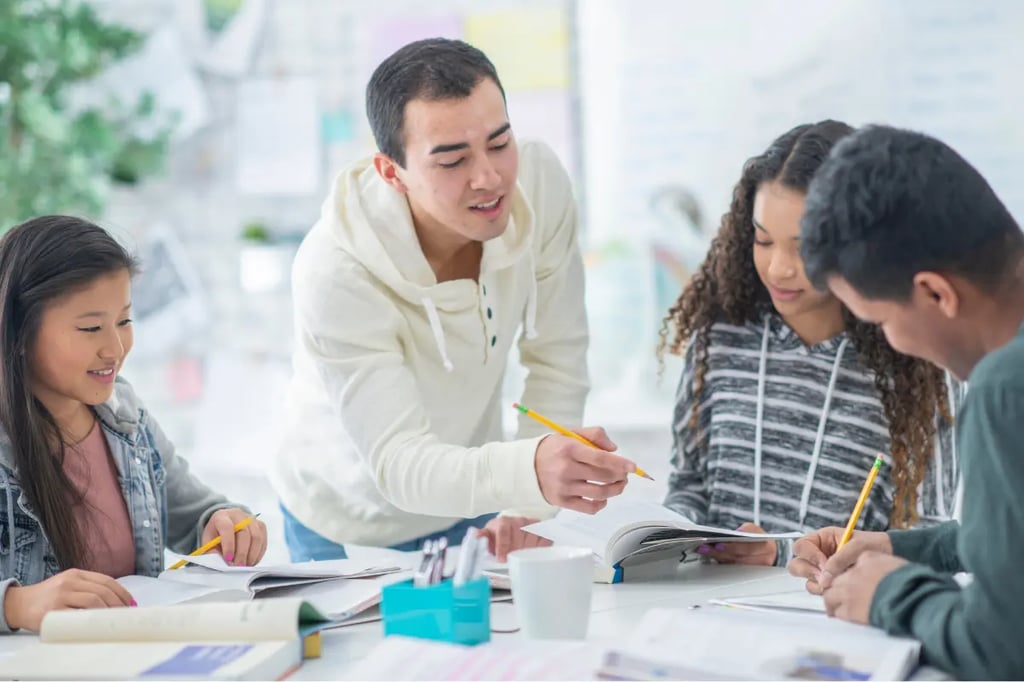
Shifting away from traditional lecture-based teaching, mastery-based learning focuses on student-centered instruction. This method involves interactive discussions, collaborative projects, and individualized support, fostering an environment where students actively participate in their learning. Educators serve more as guides and facilitators rather than traditional authoritative figures, empowering students to take responsibility for their learning and encouraging a deeper, more personal engagement with the material.
Flexibility
Flexibility in learning pace and focus is another significant advantage of mastery-based learning. Students are allowed to progress at their speed, ensuring they feel neither rushed nor held back. This flexibility helps accommodate diverse learning styles and paces, which can vary widely among students. It also allows learners to spend more time on challenging topics while quickly passing through areas they grasp more readily, making education more efficient and satisfying.
Continuous Feedback
Continuous feedback is integral to mastery-based learning, providing students with regular insights into their academic progress and areas needing improvement. This ongoing communication helps learners adjust their strategies and efforts, fostering a growth mindset and continual development. Feedback in this context is not limited to academic performance but also includes personal development and goal-setting, further personalizing the learning experience.
In comparison to traditional education models, mastery-based learning is more focused on individualized learning and student-centered instruction. Rather than simply lecturing and assigning homework, teachers in mastery-based programs work to engage students in their learning, helping them to develop a deeper understanding of the material.
Benefits of Mastery-Based Learning for Students
Improved Learning Outcomes
Mastery-based learning transforms traditional educational paradigms by emphasizing comprehension over memorization. This approach requires students to achieve a deep understanding of the material before progressing, ensuring that they genuinely grasp the concepts instead of merely preparing for tests. Such a framework not only enhances retention rates but also fosters a deeper intellectual engagement with the subject matter, leading to improved learning outcomes.
As students encounter complex topics, the requirement to master each aspect builds a robust foundation of knowledge, significantly reducing superficial learning and forgotten details post-examination. Ultimately, mastery-based learning cultivates a more profound and lasting understanding, equipping students with the skills necessary to apply their knowledge in new and varied contexts.
Increased Confidence and Self-Esteem
Implementing mastery-based learning strategies in the classroom can significantly bolster students' confidence and self-esteem. This educational approach allows students to progress at their own pace, providing them with the time needed to fully understand and absorb the material. As a result, students are less likely to feel overwhelmed or frustrated, which can often occur in traditional learning environments where the pace is set and uniform for all. Moreover, mastery-based learning frames challenges and setbacks as natural parts of the learning process, rather than as indicators of a student's inability. This perspective encourages students to engage with difficult materials more persistently and with greater resilience, leading to increased self-confidence and a more positive overall attitude toward learning.
Development of Transferable Skills
It significantly contributes to the development of critical transferable skills, which are essential for academic and professional success. Through this approach, students learn to analyze problems, think critically, and communicate their ideas effectively. These skills are cultivated through dynamic learning processes that require active engagement and reflection on the content, rather than passive reception.
For instance, mastering a concept involves not just understanding its direct applications but also being able to relate it to other knowledge areas and real-world situations. This broadens students’ cognitive abilities and enhances their problem-solving skills, making them versatile and adaptable individuals ready to tackle future challenges in various contexts, both in academia and in the professional world.
Encouragement of Student Engagement and Ownership
This plays a crucial role in promoting student engagement and ownership of their educational journey. By allowing students to advance through their curriculum at their own pace, based on their mastery of the material, this approach personalizes the learning experience. Students are not just passive recipients of information but active participants in constructing their knowledge base. This active involvement increases their intrinsic motivation and interest in the subject matter, which are critical factors for deep and effective learning. Moreover, as students recognize their ability to control their progress and outcomes, they develop a stronger sense of responsibility toward their learning, which can lead to higher levels of achievement and satisfaction.
Addresses Individual Learning Needs
A tailored educational approach is transformative, addressing unique challenges in the learning environment by adapting to the needs of each student. This method not only enhances individual learning experiences but also improves overall educational outcomes. Here are some of the key benefits:
- Reduces Learning Gaps: By focusing on individual learning needs, this approach directly addresses educational disparities. It recognizes that students have varied backgrounds and capabilities, and adapts teaching methods to meet these differences. This personalization ensures that all students have the opportunity to master key concepts at their own pace, ultimately closing the gap between those who advance quickly and those who need more time to absorb information.
- Lowers Frustration: Traditional educational models often follow a one-size-fits-all curriculum, which can lead to significant frustration among students who find the pace either too challenging or insufficiently stimulating. By allowing students to learn at their own pace, tailored education reduces these feelings of frustration. This method acknowledges that learning is a personal journey and that emotional well-being is crucial for academic success. As students feel more in control of their learning, their engagement and motivation typically increase.
- Promotes Flexibility: As emphasized before, this approach fosters a learning environment that is adaptable to various learning styles and paces. Whether a student prefers hands-on projects, visual aids, or auditory instructions, the flexibility of tailored education allows for these preferences to be incorporated into their learning plan. Moreover, it accommodates life’s unpredictable schedules, enabling students to learn when they are most receptive and effective. This respect for individual learning styles and schedules encourages a more dynamic and inclusive educational atmosphere.
The benefits of a tailored educational approach extend beyond mere academic success. By addressing individual needs and reducing frustration, it creates a more engaging and supportive learning environment. This flexibility not only caters to diverse learning styles but also promotes a healthier, more inclusive approach to education that is crucial for fostering long-term learning and development.
The adoption of mastery-based learning offers a transformative approach that can profoundly impact educational outcomes by centering on individual progress and comprehensive understanding. As we evaluate different educational models, it becomes evident that homeschool programs, particularly those that incorporate mastery-based methods, provide a significant advantage. These programs are designed to cater to the diverse needs of learners, allowing for a more tailored educational experience that aligns with each student’s pace and learning style. For parents and educators seeking the best homeschool programs, it's essential to consider those that offer robust homeschool curriculums rooted in mastery-based learning. Such programs not only ensure that students achieve a deep and lasting understanding of their subjects but also promote greater confidence and a sense of ownership over their educational journey. By focusing on mastery rather than mere completion, the best homeschool programs equipped with mastery-based curriculums are uniquely positioned to prepare students for future academic and professional challenges, fostering a lifelong passion for learning and personal growth.