
5 Things to Know About Montessori Schooling
For most parents, their child going to school for the first time can be the most nerve-wracking experience in the history of parenting. The guilt of leaving your child for the first time, the worry that they won't make friends, and the panic that they are not ready for whatever they are learning. Most of the time, these feelings go away the first week & you and your child settle into a routine that will become your life for the next 10-15 years. What happens when you need more than your public school has to offer? Do you wish that your child had the chance to experience an education that goes above and beyond the norm? More parents are looking at education in a new light and moving away from the antiquated idea of what a classroom should look and feel like.
Montessori Schools
This is a transformative approach that originated with Dr. Maria Montessori, the first female physician in Italy. After observing children in traditional educational settings, Montessori concluded that conventional methods often suppressed children's natural curiosity and learning potential. She theorized that children would thrive in a learning environment tailored to their innate abilities and interests. This led to the development of an educational model that emphasizes self-directed activity, hands-on learning, and collaborative play. In Montessori classrooms, children make creative choices in their learning, while the classroom and the teacher offer age-appropriate activities to guide the process.Montessori schooling is characterized by specially designed learning materials and a unique classroom layout that facilitates independent learning and exploration. Each piece of Montessori equipment has a specific purpose and is presented in a way that is appealing to children. The materials are designed to be self-correcting, which encourages students to make mistakes and find solutions independently, promoting a deep understanding and a true love of learning. The classrooms themselves are set up to resemble a community environment, where children of mixed ages work together, which promotes social interaction and peer-to-peer learning. Older students often mentor younger ones, an interaction that benefits both by reinforcing knowledge in the mentor and providing a relatable model of learning for the mentee.
Learning Through Experience
When a child learns a discipline like math in a Montessori homeschool, that child is given tangible materials to with rather than being handed a sheet to memorize. The child experiences the different levels of math through touch and movement so they can engage in the experience rather than listening to a teacher speak. When they learn to read and write, they are given little letters to play with so that they can move around to make words and phrases. The Montessori homeschool curriculum follows the same teaching methods, where the parent or educator introduces subjects like reading or math by providing the child with materials and showing them how to use them, as the child goes on to practice these skills independently.
Academics
Montessori schools are renowned for their unique educational approach that prioritizes practical life skills, tailored to different stages of a child's development. This method ensures that students acquire essential skills needed for everyday life, progressing in complexity as they mature. By integrating these practical skills into the curriculum, Montessori education fosters independence, responsibility, and practical knowledge from an early age:
- Early Childhood: In the initial years, Montessori education focuses on cultivating basic practical skills that foster independence and responsibility among young learners. Activities such as tying shoes and clearing tables are not merely about learning the tasks themselves but are integral in teaching children how to take care of their environment and personal belongings. These activities are designed to enhance fine motor skills, encourage problem-solving, and promote a sense of accomplishment and self-reliance, laying a solid foundation for more complex life skills.
- Elementary Years: As students progress into their elementary years, the Montessori curriculum introduces more complex practical life skills. Managing money and learning to budget is pivotal at this stage, equipping children with early financial literacy skills. These lessons help students understand the value of money, and the basics of saving, spending, and budgeting, which are crucial for their future personal and professional lives. By integrating these concepts into daily lessons, children develop a practical understanding of economics and are better prepared to handle financial decisions.
- Adolescence: During adolescence, Montessori education shifts towards even more sophisticated areas of practical knowledge, such as entrepreneurship. This phase involves teaching older students about starting and managing a business, understanding market dynamics, and developing leadership skills. These activities are aimed at fostering a strong sense of independence, innovation, and business acumen, preparing students for real-world challenges and opportunities. Entrepreneurship education in Montessori schools is not only about business creation but also about developing a proactive mindset and the ability to think critically and creatively.
By progressively building on practical life skills from early childhood through adolescence, the Montessori at-home curriculum ensures that students are not only academically prepared but are also equipped with the necessary skills to navigate the complexities of everyday life effectively.Sensory learning is a pedagogical method primarily used for younger children, emphasizing the engagement of all five senses to enhance and enrich the learning experience. This educational strategy is rooted in the principle that effective learning occurs when children are actively involved through touching, seeing, smelling, tasting, and hearing. By designing learning environments and activities that incorporate these sensory experiences, children are more likely to retain information and develop a holistic understanding of the subject matter. Here's a look at how sensory learning is applied in the classroom:
- Classroom Design: The setup of the classroom is meticulously planned to promote sensory engagement. Desks, chairs, and learning stations are arranged not just for safety and aesthetics but to stimulate the senses. For instance, different areas of the room may feature varied textures on the walls and floors, such as smooth plastic, rough sandpaper, or soft carpeting. Lighting is adjusted to create an atmosphere that enhances visual learning without overwhelming the senses. Even the color scheme is chosen based on its psychological impact on mood and cognitive functions. This thoughtful arrangement ensures that students are immersed in a sensory-rich environment from the moment they step into the classroom.
- Accessible Materials: In a sensory learning-focused classroom, materials are selected not only for their educational value but also for their sensory characteristics. Items that emit sounds, have distinctive textures or emit subtle scents are placed within easy reach. This accessibility ensures that children can explore and learn through spontaneous interaction with these materials during their learning journey. For example, a reading corner might include books with textured covers or pages, while a science area might have aromatic plants or materials that make different sounds when used. The aim is to encourage children to engage all their senses as they learn, fostering an environment where sensory exploration is the norm.
- Multi-Sensory Tools: The selection of tools and activities is specifically tailored to incorporate multiple sensory inputs. Teachers might use items like textured balls, scented markers, and musical instruments to teach concepts across different subjects. For instance, while learning about shapes, students might use clay to form shapes they can touch and see. For auditory learning, they might listen to sounds associated with different shapes, such as a ticking clock for a circle (representing the circular movement of clock hands).
As children engage with their learning material through multiple senses, they develop critical thinking and problem-solving skills that are essential for lifelong learning. This holistic approach ultimately prepares children for a complex world where they need to use all their senses to navigate and understand their surroundings effectively.
Child-directed Learning
Within limits, the child has the freedom to work on what they want when they want. They are not allowed to play all day or distract their classmates, but they can choose where they want to work in the room. If a child pays more attention when she is lying on the floor, then she can take her books and go lie on the floor. The teacher is there to show the child the lesson, and then largely leaves them alone to learn at their own pace. Student-led learning has been shown to increase students' creative potential and keep them more engaged and focused on what they are doing.
Educating the Whole Child
It is rooted in a holistic approach that views each child as a unique individual, not merely a student who needs to learn academic subjects. This philosophy extends beyond the core curriculum of math, science, and geography to encompass a broader perspective on personal development. The Montessori method emphasizes the growth of the whole child, addressing not only intellectual but also physical, emotional, spiritual, and social dimensions of development. This integrated approach is designed to foster balanced growth, helping children become well-rounded individuals who are aware of their capabilities and comfortable in their skins.In practical terms, Montessori classrooms are often seen incorporating activities like yoga and meditation, which are not typical in conventional educational settings. These practices are integrated into the daily routine to help children develop mindfulness of their own mental and physical states. Yoga enhances physical flexibility, strength, coordination, and body awareness, while meditation fosters concentration, emotional regulation, and stress management. By introducing these practices at a young age, Montessori education seeks to instill a foundation of self-care and mental wellness that supports academic learning and personal development. The calm and focused environment created through these activities also encourages a deeper engagement with learning and a respectful, cooperative classroom dynamic.
Individualized Attention
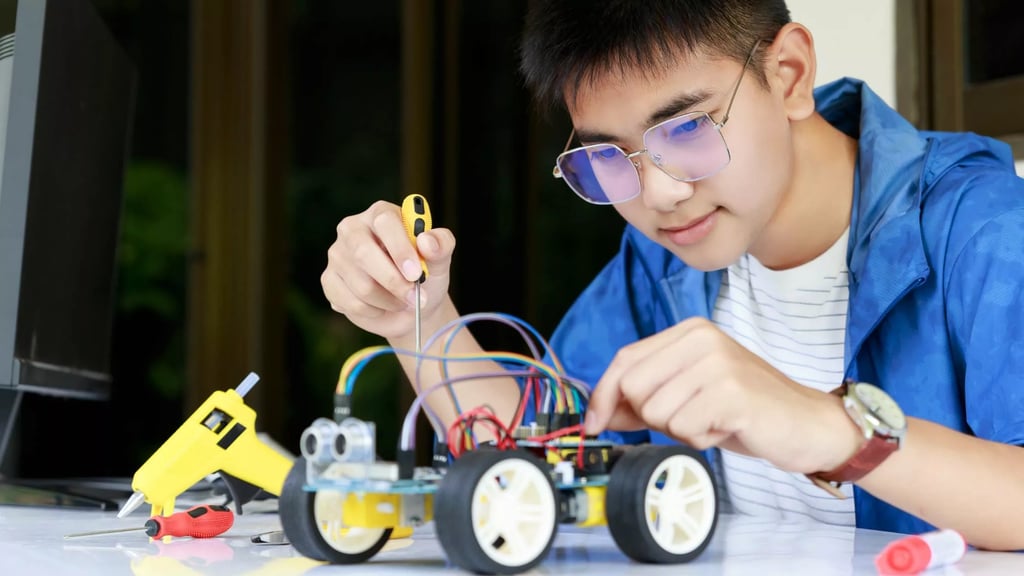
No two kids are alike, and no two students are at the same level. If all children in a classroom have different academic needs, there should be individual lessons provided for each. The child then works independently for the rest of the day practicing the skills they were just taught. Similarly, with project-based education, students spend time on a project and learn valuable tools such as time management, problem-solving, and critical thinking.
How Project-based Education Prepares Kids for the Future
Finding the right educational institution for your child can be a challenge. Because of the interest-based learning nature of the school, a Sora experience will be different for everyone as project-based learning supports a forward-thinking & innovative future filled with growth opportunities. One student could be starting a blog on homelessness in Atlanta while another could be conducting a science experiment comparing the effects of different fertilizers on certain plants. In some cases, students will be doing projects for businesses and companies — for example, a student who wanted to learn web development could help build a website for a local business. Their work could potentially have a real impact. Throughout their time in school, students slowly build up a portfolio of work that they can use for college applications, jobs, and more.As parents explore educational options that align with their child's unique learning needs, the Montessori method stands out as a beacon of innovative, child-centered education. This educational model, with its roots deeply embedded in promoting independence, curiosity, and practical skills, transcends traditional boundaries, offering a holistic approach that nurtures all facets of a child’s development. Emphasizing hands-on learning and sensory engagement, Montessori schools provide environments that are meticulously crafted to engage and inspire students at every stage of their educational journey. By fostering an atmosphere where children learn through experience, make creative choices, and grow in a community of mixed-age peers, Montessori education equips young minds with the critical thinking, problem-solving, and interpersonal skills necessary for success in the ever-evolving modern world.