
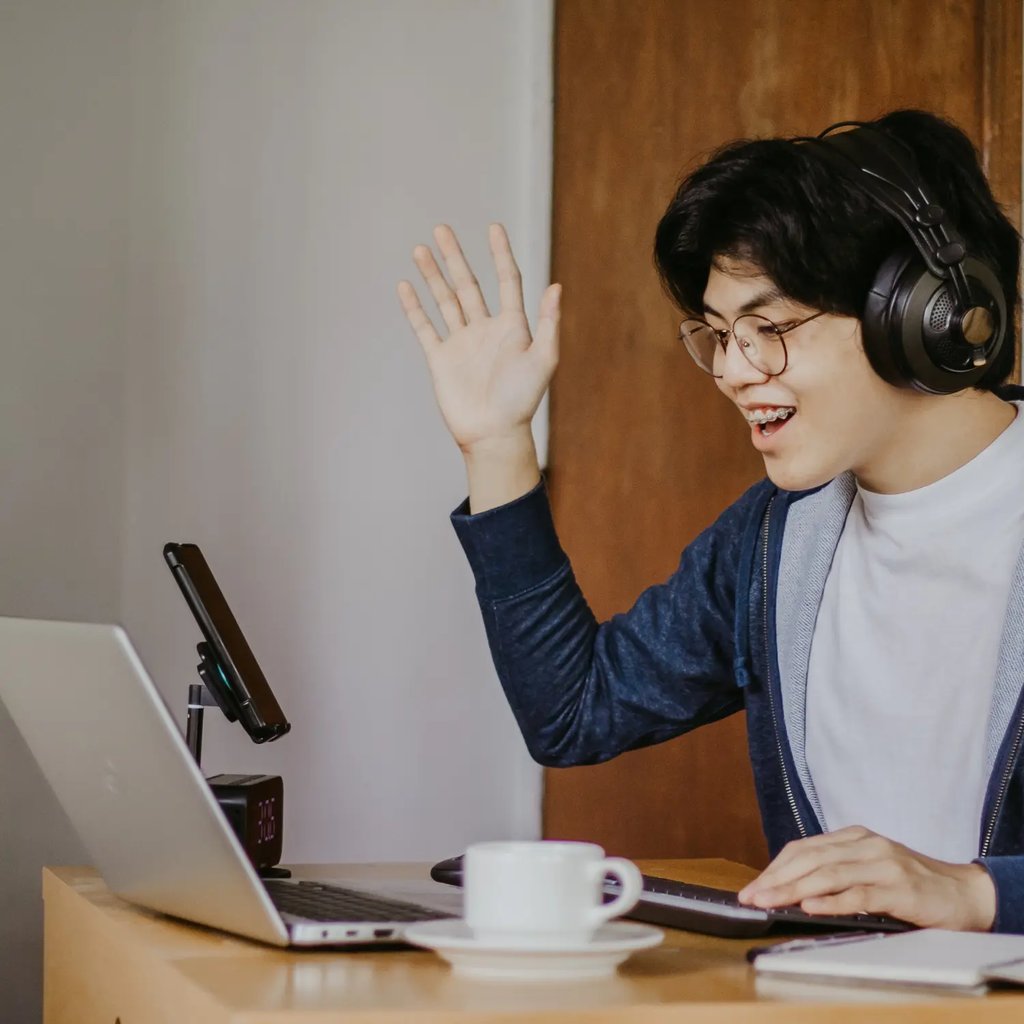
Customized Learning Paths: A Key Innovation in Education
In recent years, the field of education has seen a significant transformation, moving away from a one-size-fits-all approach to a more tailored and student-centric model. This shift recognizes that each learner is unique, with their own set of strengths, weaknesses, and interests. As a result, educators and institutions are increasingly adopting customized learning resources and strategies to meet the individual needs of their students. This approach not only enhances the learning experience but also prepares students for future challenges by developing critical thinking and problem-solving skills.
Personalized Learning Strategies
Tailoring Education to Individual Needs
The core of personalized learning lies in understanding and addressing the unique needs of each student. This involves creatingindividual learning plans that consider the learner's abilities and interests. By doing so, educators can craft a learning experience that not only targets the areas where the student needs more support but also leverages their strengths. This tailored approach ensures that every learner can achieve their full potential, making the educational process more efficient and rewarding.
The Role of Educator in Personalized Learning
They are not just instructors but also mentors who guide their students through personalized learning paths. Teachers assess individual needs and learning styles to develop customized plans and resources. Their expertise allows them to adapt teaching methods, content, and pacing to optimize learning outcomes. This personalized attention helps build a stronger teacher-student relationship, fostering a supportive learning environment.
Student Engagement
By acknowledging and addressing individual learner profiles, students feel valued and understood, which in turn, increases their interest and investment in their education. This means that students are more likely to encounter materials that resonate with them, making the learning process not only more enjoyable but also more effective. The sense of ownership and control over their learning journey empowers students, leading to higher motivation levels and a more profound engagement with their studies.
The Role of Adaptive Education Technology
Smart Learning Environments
Smart learning environments are transforming education by utilizing cutting-edge technologies that adapt to the unique requirements of each student. These technologies enhance the educational experience by providing real-time responses to students' learning progress and emotional well-being, therefore creating a more effective and engaging learning process.
- Integration of Sensors and AI: Sensors and artificial intelligence (AI) work together to continuously monitor the learning behaviors and emotional states of students. This integration allows for precise adjustments to teaching methods based on real-time data. For instance, if a student shows signs of confusion or stress, the AI can alter the difficulty level of the content or the instructional pace, thus better suiting the student's immediate needs. This responsive approach not only aids in maintaining students’ focus and interest but also supports their emotional and cognitive well-being, creating a nurturing educational setting.
- Advanced Data Analytics: Smart learning environments utilize advanced data analytics to enhance the learning experience significantly. By continuously collecting and analyzing data, these systems can identify when a student is struggling with a specific concept or topic. The system then responds by customizing the presentation of the material or adjusting the complexity and style of questions posed to the student.
- Use of Virtual and Augmented Reality: Extending far beyond traditional classroom settings, smart learning environments increasingly incorporate virtual and augmented reality (VR and AR). These immersive technologies provide students with interactive and engaging learning experiences that can simulate real-world scenarios or visualize complex academic concepts. Whether it's a virtual field trip through historical sites or a complex biology lesson where students can manipulate 3D models of human anatomy, VR and AR make learning more vivid and impactful, significantly enhancing comprehension and retention.
By leveraging these advanced technologies, smart learning environments offer a highly personalized and adaptive learning experience that is tailored to the needs of each student. This innovative approach not only enhances educational outcomes but also prepares students for a future where technology and learning are increasingly intertwined.
Adaptive Learning Platforms
These platforms are at the heart of personalized education, leveraging algorithms and artificial intelligence to provide customized learning resources. These platforms analyze a student's interactions and performance to identify their strengths and weaknesses. Based on this analysis, the platform dynamically adjusts the content, ensuring that students are neither bored with material that's too easy nor overwhelmed by material that's too difficult.
Innovative Platforms and Tools for Customization
Interactive Learning Modules
The rise of interactive learning modules marks a significant shift in educational practices, catering to the diverse needs and learning styles of students. These modules leverage technology to create an engaging, immersive, and personalized learning experience, fundamentally changing how knowledge is acquired and applied. The key components of these modules include:
- Simulations: These provide learners with virtual environments where they can interact with realistic scenarios. Simulations enable students to apply theoretical knowledge in practical settings, enhancing their problem-solving and critical-thinking skills. By mimicking real-life situations, simulations offer a risk-free platform for experimentation, allowing learners to understand complex concepts through direct experience. This hands-on approach not only makes learning more engaging but also improves retention and comprehension.
- Quizzes: Quizzes serve as an effective tool for immediate assessment, giving learners instant feedback on their performance. This feature is crucial for reinforcing knowledge and identifying areas that require further study. By incorporating quizzes into interactive modules, educators can tailor the learning experience to address the individual needs of each student, enabling a more focused and efficient learning process. Quizzes also encourage active participation and continuous engagement, making learning a more interactive and rewarding experience.
- Interactive Videos: These videos transform passive viewing into an active learning experience by incorporating questions, clickable areas, and branching scenarios that respond to the learner's choices. Interactive videos make complex subjects more understandable and engaging by visualizing information and providing real-world contexts. This multimedia approach caters to visual and auditory learners, making it easier for them to grasp difficult concepts and retain information. The use of interactive videos in education fosters a more inclusive and effective learning environment, accommodating diverse learning preferences.
Innovative customized learning platforms stand at the forefront of educational innovation, offering a dynamic alternative to traditional learning methods. By integrating simulations, quizzes, and interactive videos, these modules create a rich, engaging, and personalized learning experience that resonates with learners of all ages. This shift towards interactive learning not only facilitates deeper understanding and retention of knowledge but also prepares students for the challenges of the real world, equipping them with the skills and confidence needed to succeed.
Curriculum Customization Tools
These tools allow for the modification of existing curricula or the creation of entirely new ones, incorporating various types of learning activities. Educators can adjust the scope and sequence of lessons, integrate additional resources, and even include student-led learning projects. This level of customization ensures that the curriculum is relevant for every student, promoting a deeper connection with the material and improving learning outcomes.
Benefits of Individualized Learning Plans
Fostering a Deeper Understanding
The implementation of individualized learning plans is instrumental in helping students develop a deeper understanding of the material. This personalized approach ensures that students not only grasp fundamental concepts but also learn to apply knowledge in various contexts. By addressing each learner's unique needs and removing barriers to comprehension, individualized learning plans significantly enhance the depth of learning.
Improving Academic Outcomes
Customized education strategies directly contribute to improved grades, higher test scores, and more successful project completions. By focusing on the learner's specific challenges and strengths, personalized learning directly targets gaps in knowledge and builds upon existing skills. This tailored approach not only boosts academic performance but also prepares students more effectively for future career challenges.
Enhancing Motivation Through Personal Achievement
A key advantage of individualized learning plans is their ability to enhance student motivation through personal achievement. When learners see the direct impact of their efforts on their educational journey, it significantly boosts their motivation and engagement. This positive feedback loop is crucial for maintaining high levels of motivation and commitment throughout the learning process.
Varied Paces and Styles of Learning
One of the most significant benefits of individualized learning plans is their capacity to accommodate the varied paces and styles of learning that students exhibit. Some may excel in a fast-paced environment, while others benefit from a more deliberate, reflective approach. Customized learning paths allow educators to adjust the speed and method of instruction to match each student's natural rhythm, therefore maximizing the effectiveness of the educational experience for everyone.
Personalized Learning in Online Education
The Growth of Self-Paced Learning Plans
Self-paced learning plan development has seen remarkable growth within the sphere of online education, catering to the modern learner's need for autonomy. These plans allow students to navigate through their courses according to their schedules, making education more accessible to a wider audience. Online platforms equipped with self-paced programs enable learners to balance their studies with other life commitments, such as work and family, thus opening up opportunities for lifelong learning and continuous professional development.
Overcoming Challenges in Online Learning Environments
Navigating the landscape of online learning comes with its set of challenges, which can hinder the educational experience and outcomes for students. Despite these obstacles, the implementation of personalized learning strategies has emerged as a powerful solution, enhancing the effectiveness and appeal of online education. These strategies address the core issues inherent in virtual learning environments:
- Engagement: Personalized learning tackles this by incorporating gamification, transforming education into a more captivating experience. As emphasized time and time again, tailoring content to match individual interests and learning styles, and introducing elements of competition and reward, learning becomes an enjoyable activity rather than a mundane task. This approach not only boosts engagement but also encourages deeper involvement and enthusiasm towards the subject matter.
- Impersonality: One of the key criticisms of online learning is its lack of personal interaction, which can make students feel isolated and disengaged. Personalized learning addresses this challenge by employing adaptive technology and offering personalized feedback, creating a learning environment that feels more tailored to each student. Through the use of chatbots, forums, and personalized responses, learners receive the individual attention and support they need, making the digital learning space feel more connected and responsive to their unique needs and questions.
- Monitoring Progress: The remote nature of online learning has traditionally made it difficult for educators to monitor student progress effectively. Personalized learning strategies leverage advanced analytics and reporting tools to overcome this hurdle. These technologies provide detailed insights into each learner's progress, strengths, and areas for improvement, enabling educators to offer targeted support. Real-time tracking ensures that students remain on course, and any necessary adjustments to the learning path can be made promptly, ensuring that each learner achieves their full potential.
The adoption of personalized learning strategies in online environments signifies a significant advancement in education technology, offering solutions to some of the most pressing challenges faced by students and educators alike. By making learning more engaging, personalized, and trackable, these strategies enhance the overall quality and effectiveness of online education. As we continue to refine and expand these approaches, the potential for creating more inclusive, adaptive, and successful learning experiences in virtual settings is immense, promising a brighter future for learners around the globe.
Preparing Students for Future Challenges
Adapting to a Rapidly Evolving Global Landscape
Adaptability is a critical skill in a rapidly changing global environment. Personalized learning strategies help students become more resilient by exposing them to diverse learning experiences and viewpoints. This educational approach encourages learners to be open to change, to question conventional wisdom, and to be innovative in their thinking. By fostering an adaptable mindset, personalized education ensures students are better prepared to face the complexities of global issues, workplace dynamics, and technological advancements.
The Importance of Flexibility
The ability to be flexible and adapt to new situations is essential in today’s fast-paced world. Personalized education supports the development of these skills by providing a learning framework that is responsive to the evolving needs of students. As learners navigate through their customized learning paths, they encounter various challenges and learning modalities, which build their capacity to adjust and thrive in diverse circumstances. This flexibility is not only beneficial for academic success but also for personal growth and future career opportunities, as it enables individuals to navigate through life’s changes with confidence.
As we look towards the future, the role of personalization in education is set to become even more critical. With continuous advancements in adaptive education technology and an increasing focus on individual learning experiences, personalized education will likely play a central role in shaping the educational landscape. By embracing the principles of customized learning, educators and institutions can create more inclusive, effective, and dynamic learning environments that cater to the diverse needs of learners, paving the way for a future where every student has the opportunity to achieve their full potential.