
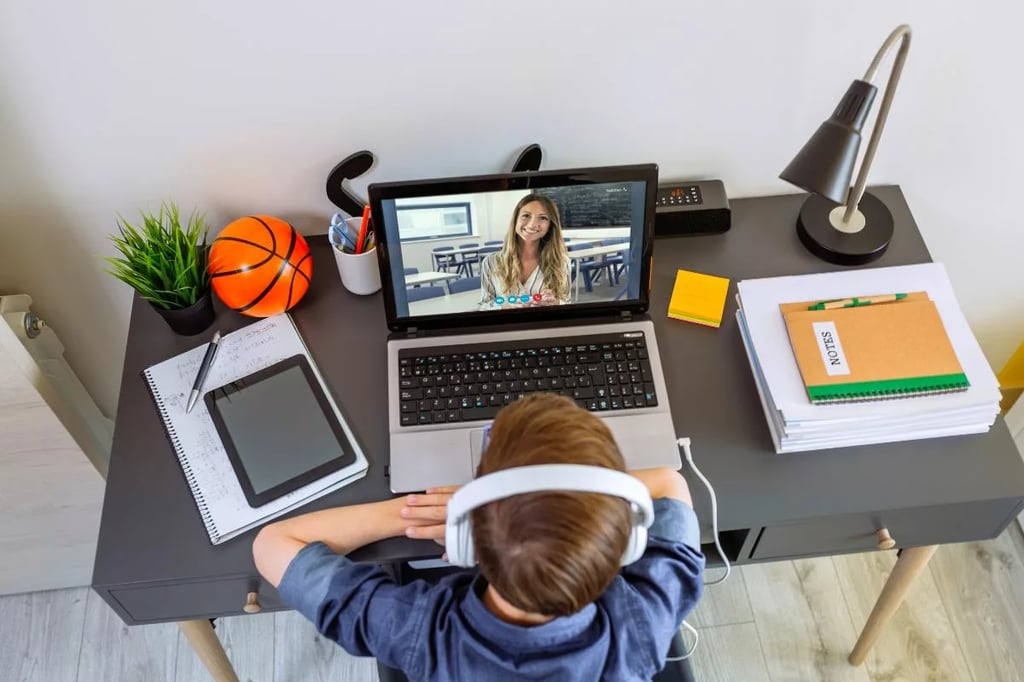
How Online Middle School Programs Foster Independent Learning
Navigating the pivotal years of middle school is a journey fraught with academic and emotional challenges. Traditionally, brick-and-mortar schools have guided students through this stage, but the digital age has presented us with compelling alternatives. Online middle school programs offer a unique blend of flexibility, personalized education, and a student-centered approach that promotes independent learning. As more families consider private online middle schools, it’s important to explore how these platforms can foster autonomy, diverse learning styles, and personal responsibility.

The Significance of Remote Education
Catering to Varied Learning Paces
Gone are the days when every student had to conform to a one-size-fits-all education model. Online schools and middle school platforms understand the importance of individual learning paces. By allowing learners to progress at their speed, they provide an environment where no student is left behind, nor are they pressured to keep up with their peers.
Choices in Learning Preferences and Styles
Diversity is the spice of life. Online middle schools offer various resources tailored for auditory, visual, and kinesthetic learners. Such diversity ensures every student can find a method that resonates best with them.
Cultivating Personal Responsibility
The unique structure of an online private middle school naturally compels students to take charge of their educational journey. This autonomy cultivates both self-reliance and a strong sense of personal responsibility—essential traits for success in higher education and beyond.
Six Essential Attributes for Self-Direction
Flexible Schedules
Time management is a crucial skill, especially for private online middle school students who are juggling multiple responsibilities. Such platforms are designed with this understanding in mind, offering flexible schedules that cater to the diverse needs of their students. Unlike traditional schools, where students are bound by fixed timetables, online platforms allow students to determine their study hours. This flexibility means that students can align their academic workload with their personal lives, accommodating extracurricular activities, family commitments, or even part-time jobs.
By enabling students to study at their own pace, these platforms foster an environment where learning is self-directed and stress-free. This approach not only promotes better time management but also helps in developing a sense of responsibility and independence in young learners. The ability to revisit lessons at any time allows for a deeper understanding of the material, as students can take the time they need to fully grasp complex concepts.
Diverse Learning Materials
These platforms offer a comprehensive collection of textbooks, video lectures, interactive resources, and multimedia content, ensuring that students have access to a wealth of information. This diversity in learning materials caters to different learning styles, whether a student learns best through reading, visual aids, or hands-on activities. Video lectures, for example, bring subjects to life with engaging visuals and expert explanations, while interactive resources such as quizzes and games reinforce learning in a fun and dynamic way. Textbooks and written materials provide in-depth knowledge and serve as valuable reference tools. Online platforms often update their resources regularly to include the latest information and research, keeping the curriculum current and relevant. The variety and richness of the learning materials available online ensure that every student can find resources that resonate with them, making education a more personalized and effective experience.
Self-Assessment Tools
For effective learning, it's essential for students to continuously evaluate their understanding and progress. Online middle school platforms excel in this area by offering a wide range of self-assessment tools. These tools include:
- Quizzes: Quizzes are a fundamental tool for self-assessment. They provide immediate feedback, allowing students to quickly identify their strengths and weaknesses. This prompt feedback is essential for understanding what areas need more focus. Quizzes can cover various topics and difficulty levels, offering a comprehensive review of the material. By taking quizzes regularly, students can track their progress over time and see tangible improvements in their knowledge and skills.
- Interactive Tasks: Interactive tasks such as simulations and problem-solving exercises actively engage students, making learning more dynamic and hands-on. These tasks encourage critical thinking and application of knowledge in practical scenarios. For example, science simulations can help students understand complex concepts by visualizing processes, while math problem-solving exercises can enhance their analytical skills. Interactive tasks provide a break from traditional learning methods, making the learning experience more enjoyable and memorable.
- Formative Assessments: Formative assessments are designed to monitor student progress at various stages of the learning process. These assessments can be formal or informal and are used to gather feedback that helps both students and teachers understand the learning progress. Teachers can use the results to adjust their teaching strategies and provide targeted support where needed. Students benefit by understanding their learning trajectories and identifying areas that require more attention.
Regular use builds confidence and motivation, encouraging students to take ownership of their education and achieve their academic goals. By integrating quizzes, interactive tasks, and formative assessments, online middle school platforms create a comprehensive and effective learning environment that supports continuous self-assessment and personal growth.

Interactive Digital Resources
Online school for middle school platforms leverages a range of interactive digital resources to enhance the learning experience. Virtual labs, for example, allow students to conduct experiments in a controlled, simulated environment, providing hands-on experience without the need for physical lab space. Engaging videos break down complex concepts into understandable segments, often using animations and graphics to illustrate key points. Simulations offer immersive experiences where students can explore scenarios and solve problems in real time, making abstract ideas more concrete and understandable. These interactive resources not only make learning more engaging but also cater to different learning styles, ensuring that all students can benefit. Incorporating these tools into the curriculum creates a dynamic learning environment that goes beyond traditional methods. Students are not just passive recipients of information; they actively participate in their learning journey, which can lead to better understanding and retention of the material.
Personalized Lesson Plans
Every student is unique, with individual strengths, weaknesses, and interests. Recognizing this, private online middle schools offer personalized lesson plans that allow students to tailor their educational journey. These plans are designed to meet the specific needs of each student, whether that involves delving deeper into a subject of interest or focusing on areas that require additional support. Personalized lesson plans can adapt to the student’s pace, providing accelerated learning opportunities for advanced students or additional resources and time for those who need it. This customization ensures that learning is always relevant and challenging, helping students stay engaged and motivated.
Platforms for Self-Expression
Online middle school platforms provide various avenues for students to express themselves and share their ideas. Blogs, for example, offer a space for students to write about their interests, reflect on their learning experiences, and engage with their peers. Forums create a community where students can discuss topics, ask questions, and collaborate on projects. Project showcases allow students to present their work to a wider audience, gaining recognition for their efforts and receiving constructive feedback. These platforms for self-expression help students develop important skills such as communication, critical thinking, and creativity. They also foster a sense of belonging and community, as students can connect with others who share similar interests and passions. By encouraging self-expression, online middle schools support the holistic development of students, helping them to build confidence and find their voice.
Parental Guidance in the Digital Era
Oversight and Independence
The balance between monitoring and granting freedom is a delicate one. While it's essential to ensure that students are making progress in their project-based learning homeschool, it’s equally vital to foster a sense of independence. Regular check-ins, combined with trust, can create the ideal balance.
Tips for Parents
Structured Environment
Creating a structured environment is a crucial aspect of your child's learning, especially if they are attending online private schools. With the lack of a physical classroom, it's easy for children to lose focus or be subjected to distractions. Setting up a dedicated learning space that is free from interruptions not only improves concentration but also subconsciously establishes the importance of education. Here’s how to set up an effective learning environment:
- Choose A Quiet Corner: Select a location in your home that is naturally quiet and away from high-traffic areas. Avoid places near the TV, kitchen, or living room where distractions are more likely. A quiet corner helps minimize interruptions and allows your child to concentrate better. Make sure this space is only used for studying and learning activities to help establish a routine and reinforce the habit of focusing when in this designated area.
- Set Up A Desk And Chair: Invest in a proper desk and chair that is ergonomically designed to support good posture. The desk should be large enough to hold a computer, textbooks, and other study materials. The chair should be comfortable and adjustable to ensure your child can sit for extended periods without discomfort. An organized workspace with a desk and chair can significantly improve your child's productivity and focus.
- Ensure Essential School Supplies Are Accessible: Keep all necessary school supplies within easy reach to avoid interruptions. This includes pencils, pens, notebooks, and any other materials required for their studies. Having everything organized and readily available helps your child stay on task and reduces the time spent searching for items, which can disrupt their concentration.
- Provide Good Lighting: Adequate lighting is crucial for reducing eye strain and maintaining focus. Natural light is best, so position the study area near a window if possible. If natural light isn't sufficient, use a good-quality desk lamp that provides bright, even lighting. Proper illumination can enhance your child's ability to read and write comfortably, contributing to a more effective study environment.
- Ensure Comfort For Extended Study Periods: Make sure the study area is comfortable enough for your child to spend long periods studying without physical discomfort. This includes a supportive chair, a well-ventilated space, and a temperature that isn't too hot or cold. A comfortable environment can help your child stay focused and motivated to complete their tasks without unnecessary breaks due to discomfort.
This physical separation helps your child mentally transition into 'learning mode,' making digital learning more like traditional schooling. By creating a dedicated space for studying, you can support your child's educational journey and help them develop strong study habits that will benefit them throughout their academic career.
Goal Setting
Goal-setting is incredibly effective for giving your child a sense of direction in their academic life. Simply attending class is not enough; they need objectives to strive for. Encouraging your child to set specific, achievable, and time-bound academic goals gives them something tangible to work toward. Goals can range from mastering a particular subject matter to improving grades or even developing study habits.
With clearly defined goals, children are more likely to engage with their studies because they have a sense of purpose. They can track their progress, which is motivating and instills a sense of accountability. Regular check-ins to discuss their achievements or setbacks can be highly beneficial. This could be done through weekly sit-downs to review progress, revise objectives, or celebrate achievements, however small they may be.
Emotional Support
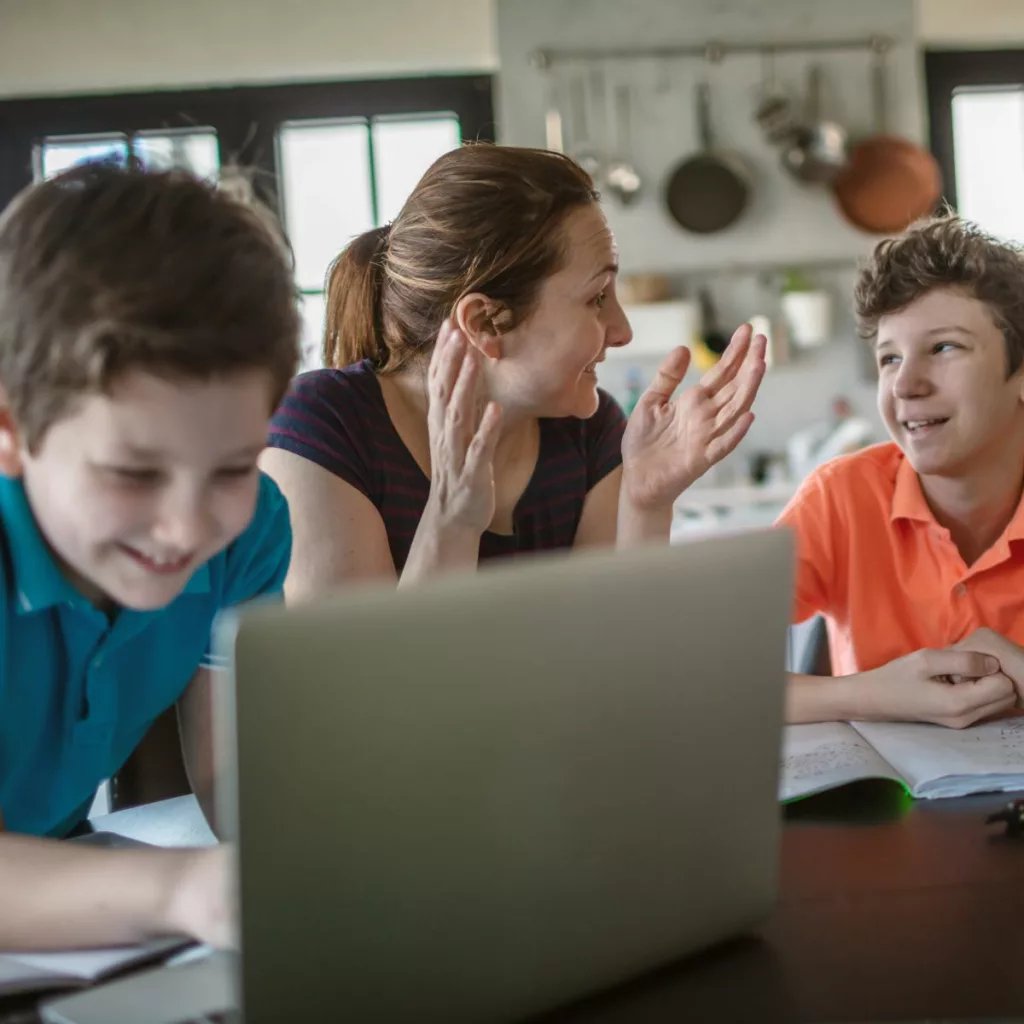
The digital world of online private schools can be overwhelming. With various resources, new technologies, and the absence of real-time social interactions, children can sometimes feel isolated or stressed. Emotional support is, therefore, paramount for a successful online learning experience.
Being available for your child, both as a parent and as a confidant, can make all the difference. Provide a listening ear when they're facing academic challenges or social issues, and offer constructive solutions. Sometimes, all they need is an understanding heart to express their fears or concerns. Affirm their feelings and let them know that they are not alone in this journey. Your emotional support acts as a sturdy pillar they can lean on when navigating the complexities of digital learning. Regular dialogues, constant encouragement, and even shared learning experiences can strengthen your emotional bond and support your child's educational journey.
The potential of online middle school programs in molding independent, self-reliant learners is undeniable. With their student-centered teaching method, they present an avenue where learning is tailored, diverse, and flexible. Parents, while playing a guiding role, can take solace in the fact that their children are being equipped with skills that will serve them well in both academics and life. Whether you’re considering online schools for middle school or just curious about the digital shift in education, the transformative power of these platforms remains evident. Their ability to instill independence and responsibility in learners is truly a testament to the benefits of a digital, student-centered approach.