
Learning by Doing: The Power of Hands-On Education
Hands-on education embodies the essence of interactive, engaging learning experiences. It involves students actively participating in their education, a shift from traditional passive learning methods. This article seeks to equip educators with practical strategies to successfully implement hands-on learning in their classrooms. It will also detail how hands-on learning is also being used in the best homeschool programs.
The Necessity of Hands-On Education in the Classroom
Research consistently highlights the value of hands-on education. By involving students directly in their learning process, fosters real-world skills, boosts confidence, and enhances problem-solving abilities. Traditional lecture-style teaching can't match the immersive, engaging nature of hands-on education.
Six Compelling Ways to Implement Hands-On Education
Project-Based Learning
The method, as an instructional approach, immerses students in real-world scenarios that require problem-solving, collaboration, and critical thinking. This practical, dynamic approach helps students gain knowledge by investigating complex questions or challenges, thereby making the learning process more engaging and relevant. Teachers can initiate project-based learning in numerous ways. For instance, students could work on a science project, understanding the principles involved while observing the practical outcomes. Or, they could create an art installation, delving into historical and cultural contexts while expressing creativity. The beauty of project-based learning is that it fosters various skills, including teamwork, creativity, and critical thinking. These skills are not just pertinent to academic success but also play a crucial role in the workplace of the 21st century.
Experiential Learning
Also known as "learning by doing," provides students with an opportunity to learn through reflection on their experiences. It involves a more holistic approach to education, bridging the gap between theory and practice. For instance, if students are learning about ecology, a traditional lecture might provide them with theoretical knowledge. However, when they plant and care for a garden, they experience the principles of ecology firsthand. They observe weather patterns, seasonal changes, and the interaction between different organisms, leading to a more profound understanding of the subject matter. This hands-on experience, coupled with reflection, can significantly enhance student engagement and long-lasting knowledge retention, making learning more effective and enjoyable.
Collaborative Learning
Another effective hands-on education method that emphasizes group work is collaborative learning. In this approach, students learn by working together, solving problems collectively, and sharing knowledge. This is particularly effective for tasks that require diverse skills or viewpoints, as it provides a platform for students to learn from one another. Collaborative learning enhances the classroom environment by fostering a sense of community and mutual respect.
Inquiry-Based Learning
This method encourages students to be active participants in their learning journey. This approach invites students to ask questions, conduct research, and arrive at conclusions based on their findings. It is essentially a student-centered approach that nurtures their curiosity and desire to understand the world around them. For example, instead of teaching students about a scientific concept directly, teachers can pose a question or present a phenomenon and guide students to explore and understand it themselves. This active process of inquisition stimulates critical thinking and problem-solving skills, fostering a deep and thorough understanding of the subject matter.
Technological Integration
In the era of technological advancement, the integration of digital tools in education is reshaping how knowledge is imparted and received. With the rise of innovative technologies, educators are now equipped with resources that make learning more accessible, engaging, and tailored to individual needs. Here is an in-depth look at some of the transformative technologies that are enhancing educational experiences across various learning styles:
- Coding Activities: Engaging in coding activities is much more than learning to write lines of code; it's an essential approach to developing critical thinking and problem-solving skills. As students engage with coding, they are challenged to think logically and systematically solve problems by creating and refining algorithms. This process often involves debugging, which instills resilience as students iterate their work to achieve optimal results. Moreover, coding fosters computational thinking, a skill that is increasingly important in the digital age, thereby preparing students for future technological landscapes. Such activities not only support academic growth but also personal development by encouraging precision and patience.
- Virtual Reality (VR) Explorations: Virtual reality in education offers an immersive learning experience that traditional classrooms cannot provide. VR technology enables students to embark on virtual tours of ancient sites, journey through the cosmos, or explore the intricate workings of the human body. These vivid experiences make learning engaging and memorable, helping students to grasp complex and abstract concepts more effectively. Furthermore, VR supports experiential learning, allowing students to interact with their virtual environments, which enhances understanding and retention of knowledge. This technology serves as a bridge between theoretical knowledge and real-world application, making education an exciting and interactive adventure.
- Digital Design Projects: Digital design projects merge creativity with technological prowess, allowing students to express themselves through digital art forms while mastering contemporary design tools and techniques. These projects might include creating digital graphics, animations, or user interfaces, which provide practical experience that transcends traditional art classes. Engaging in these activities helps cultivate not only artistic skills but also technical acumen, preparing students for careers in digital design, media, and technology sectors.
- Interactive E-books: The evolution of e-books into interactive learning tools has transformed the traditional reading experience. These digital books incorporate multimedia elements such as videos, animations, and interactive quizzes, which enrich the learning process. The dynamic nature of interactive e-books allows for regular content updates and customization to match the learning pace of each student, providing a personalized educational experience. The immediate feedback and adaptability to individual needs make these tools particularly beneficial for students with diverse learning styles and requirements, fostering an inclusive educational environment.
- Online Collaboration Tools: The advent of online collaboration tools has revolutionized the way students engage in group projects and assignments. Platforms such as Google Workspace and Microsoft Teams enable seamless sharing of documents, synchronous editing, and real-time communication, regardless of geographical barriers. This promotes a collaborative learning environment that mirrors the interconnected, digital workplaces of today. By simulating real-world interactions, these tools are instrumental in preparing students for future careers that will demand proficiency in digital communication and collaborative skills.
- Adaptive Learning Software: Adaptive learning technology tailors educational experiences to the needs of individual learners by analyzing performance data and adjusting the difficulty of tasks accordingly. This personalized approach ensures that students are neither under-challenged nor overwhelmed, maintaining engagement and optimizing learning outcomes. Adaptive software identifies areas of strength and weakness, enabling a customized learning path for each student. This targeted approach helps streamline the educational process, making learning efficient and effective, and is particularly advantageous in accommodating the diverse capabilities of students in a classroom setting.
The adoption of these advanced digital tools in education not only enriches the learning experience but also prepares students for a future where digital literacy is paramount. As we continue to navigate this evolving educational landscape, it is clear that technology will play an increasingly central role in shaping how we learn, teach, and interact in the academic world.
Field Trips and Real-World Interactions
Doing field trips and real-world interactions offer exceptional opportunities for hands-on learning. These excursions extend learning beyond the confines of the classroom, allowing students to experience and interact with the subject matter directly. This hands-on approach not only supports but also enriches the curriculum, bringing academic concepts to life in a manner that static textbooks and lectures simply cannot match. Here’s a look at how these practical experiences benefit students:
- Engagement: Field trips to sites like local museums and nature reserves immerse students in the learning process. By directly interacting with the subject matter, such as viewing historical artifacts in a museum or observing wildlife in a nature reserve, students become active learners. This kind of dynamic, immersive learning experience significantly boosts engagement, curiosity, and the desire to explore further. As a result, students are more attentive, retain more information, and are likely to seek additional resources, ask pertinent questions, and achieve a deeper understanding of the topics covered. This level of engagement transforms passive learning into an active, enriching educational journey.
- Contextual Learning: By linking theoretical knowledge from the classroom with real-world applications, field trips offer a powerful contextual learning experience. For instance, students learning about environmental science can better understand concepts like biodiversity and ecosystems when they see these phenomena firsthand in a nature reserve. Such experiences allow students to make tangible connections between their studies and the real world, enhancing their ability to apply learned knowledge in diverse contexts.
- Diverse Perspectives: Field trips expose students to different cultures, environments, and historical contexts, enriching their educational experience significantly. For example, a visit to a cultural heritage site offers insights into the lifestyle and traditions of different communities. These experiences expand students' worldviews, teaching them to appreciate diversity and consider multiple perspectives. Learning to respect and value different cultures and viewpoints is crucial in our interconnected world, fostering a more inclusive and empathetic society.
- Empathy Building: Visiting diverse settings on field trips, such as community centers in less privileged areas or historical sites depicting past hardships, promotes empathy among students. These real-world interactions allow students to understand and share the feelings of others, broadening their emotional intelligence and compassion. Such experiences are vital in nurturing individuals who are not only aware of but also sensitive to the effects of their actions on others, encouraging them to contribute positively to their communities and the wider world.
- Interactive Lessons: Field trips offer interactive lessons that make learning vivid and memorable. Whether it’s through engaging with local history at a museum or exploring ecological interactions in a nature reserve, students benefit from direct exposure to their subjects. These practical experiences help cement academic concepts, bridging the gap between theoretical knowledge and real-world application, and making education more compelling and accessible.
- Curriculum Integration: Effective field trips are intricately planned and closely tied to the curriculum, enhancing both educational value and enjoyment. Teachers play a crucial role in preparing students for what they will experience and learn, integrating these experiences with existing lessons to reinforce and expand the curriculum. Reflection activities post-trip further solidify the learning, helping students absorb and relate their experiences to their ongoing education. Students look forward to learning because it becomes an exciting adventure, and this deliberate method enhances understanding.
Field trips are essential in crafting an educational experience that is as enriching as it is enlightening. By stepping outside the classroom and engaging directly with the world, students gain a broader, more practical perspective that significantly enhances their learning and personal growth.
The Proactive Approach: Championing Hands-On Education in Online Homeschooling
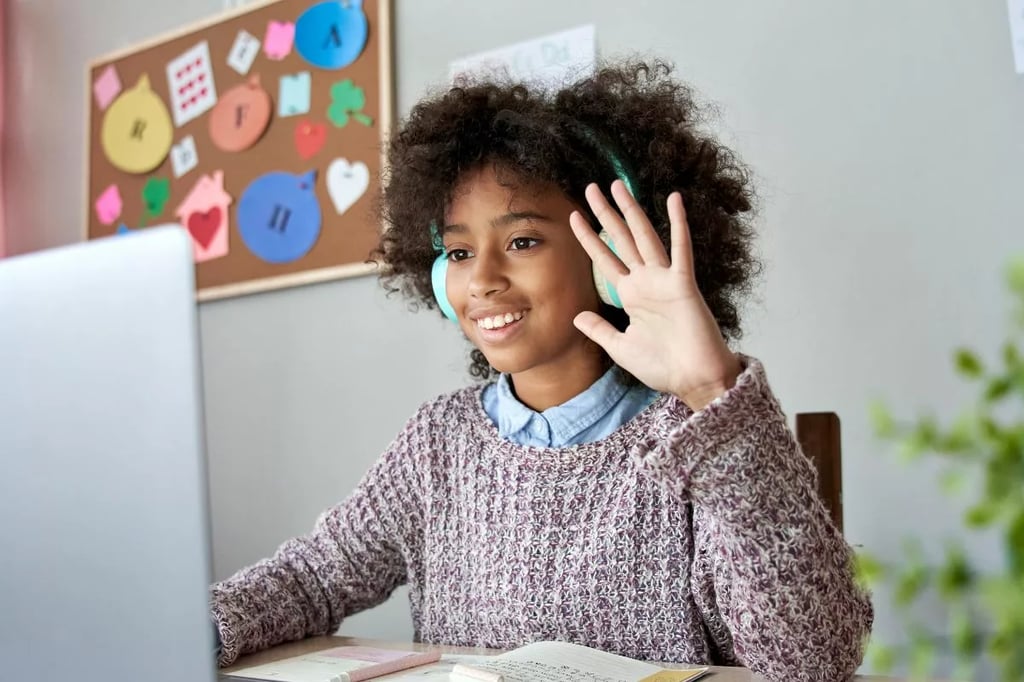
Online homeschooling is increasingly becoming a viable educational option for many families. One might wonder, "Can hands-on education thrive in a virtual homeschool environment?" The answer is a resounding yes!
The methods we've discussed can be adapted for online homeschool programs. For instance, project-based learning homeschool activities can be facilitated virtually, with students undertaking individual projects at home and sharing their progress in online discussions. Similarly, technology can be harnessed to provide experiential learning opportunities in a virtual setting. With digital tools and resources, students can simulate lab experiments, engage in virtual field trips, or participate in interactive coding projects.
Collaborative learning can also flourish in online homeschool environments. Virtual homeschool programs often include discussion forums, shared digital workspaces, and video conferencing tools that facilitate effective collaboration. While it's different from face-to-face interaction, it offers a unique opportunity to build digital communication and teamwork skills that are crucial in today's tech-driven world.
Inquiry-based learning is another method that transitions well to the best homeschool setting. Students can conduct research using digital resources, pose questions in online forums, and share their findings through presentations or digital portfolios.
Lastly, real-world interactions remain crucial, even in online homeschool programs. Parents can arrange field trips and hands-on activities that complement the virtual homeschool programs, ensuring students get a balanced educational experience. The key to successful hands-on education in online homeschooling lies in adopting a proactive approach. Teachers and parents need to be creative, adaptable, and committed to providing engaging, authentic learning experiences.
Hands-on education is not just beneficial—it's essential. It offers a rich, engaging learning experience that helps students develop valuable skills and a deep understanding of their subjects. From project-based learning to experiential activities, there are numerous ways to implement hands-on education in both traditional classrooms and online homeschool programs. As educators, our role is to guide and facilitate, creating learning environments where curiosity, creativity, and critical thinking thrive. Whether in a brick-and-mortar school or a virtual homeschool setting, hands-on education has the power to shape the future of learning, creating lifelong learners ready to navigate the complexities of the 21st century. Let's embrace this potential and champion hands-on education as the new standard of learning.