

Trends in Secondary Education That Will Shape Tomorrow's Leaders
Secondary education, often comprising the high school years, is a crucial phase of learning, a turning point where students mature and acquire critical skills for their future roles as global citizens. It is in these formative years that future leaders are shaped. However, the traditional approach to secondary education can often limit the extent to which students can explore their interests, engage with content, and develop essential competencies. It's within this context that innovative trends in secondary education have emerged, shaking up conventional methods and expectations.
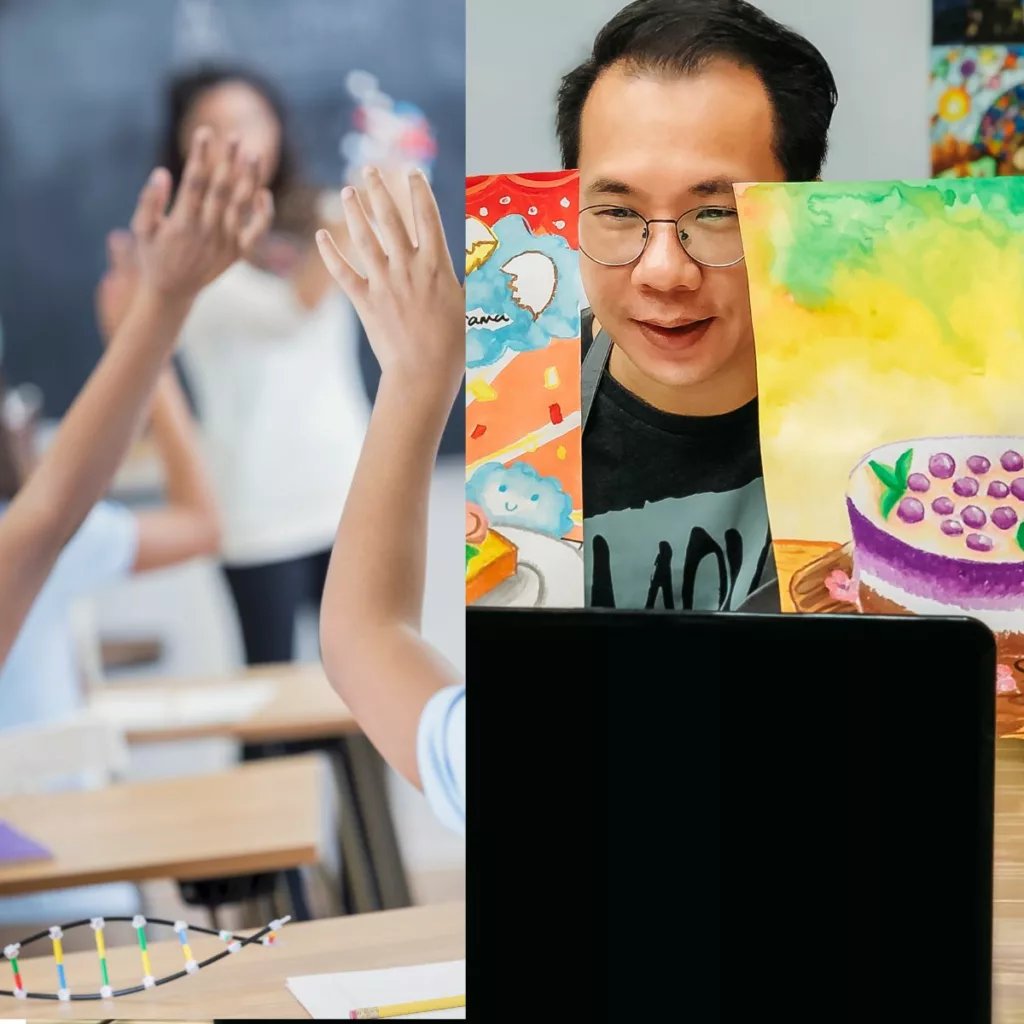
The Traditional Approach to Secondary Education
The conventional model of secondary education often entails a teacher-centered approach, with standardized curriculum, methods, and assessments. Although this model has its merits, it often falls short in fostering creativity, critical thinking, and personalized learning. This issue has led to a burgeoning interest in progressive educational trends that not only address these challenges but also make way for the development of leaders capable of navigating the uncertainties of the future.
Transformative Trends in Secondary Education
A multitude of forward-thinking trends are shaping the landscape of secondary education, with many of the best online high schools embracing these changes to provide a more comprehensive, equitable, and future-focused learning experience.
Personalized Learning
This approach tailors the educational experience to meet the unique needs, interests, and learning styles of each student. Personalized learning, gaining traction in many online high school programs, emphasizes student autonomy and caters to individual progress rather than a one-size-fits-all model. However, its implementation can present challenges, such as the increased demand for teachers to design diversified learning plans.
Technology Integration
As a significant hallmark of the best online high school, technology integration facilitates personalized learning and engages students through interactive platforms. It offers various resources and tools, revolutionizing the way students learn and collaborate. Nonetheless, the digital divide and data privacy are concerns that must be adequately addressed.
Social-Emotional Learning (SEL)
SEL focuses on the development of students' emotional intelligence. An accredited online high school often weaves SEL into its curriculum, enhancing students' ability to understand and manage emotions. Emotional intelligence—comprising skills such as self-awareness, self-management, social awareness, relationship skills, and responsible decision-making—supports academic and personal success. In online settings, SEL is particularly vital as the digital interface can sometimes mask emotional cues that are otherwise noticeable in traditional classroom interactions.
The challenges within online high schools lie in effectively assessing the progress of students in SEL. Traditional academic achievements are often measured through tests and assignments, but evaluating emotional and social growth requires a different approach. Tools such as reflective journals, student-led discussions, and peer assessments are utilized to measure SEL competencies, alongside direct observations during interactive activities. Teachers and SEL coordinators look for changes in student behavior and attitudes over time to assess improvements in areas such as conflict resolution, empathy, and teamwork.
Project-Based Learning
A primary feature of many private online high school curriculums is project-based learning. This method involves students in practical, real-world scenarios where they apply their knowledge to solve tangible problems. By engaging in such dynamic learning activities, students gain valuable skills and experiences that are directly applicable to real-life situations, making their educational journey both relevant and exciting. Here's a look at the key features of project-based learning:
- Engages Students by Involving Them in Practical, Real-World Challenges: Project-based learning immerses students in complex, real-world problems that require practical application of classroom knowledge. For example, students may work on projects related to environmental sustainability, community health issues, or urban planning. These projects not only help students understand how their learning applies outside of school but also make the educational process more engaging and relevant. As students tackle these challenges, their interest and investment in learning significantly increase, leading to a deeper and more meaningful educational experience.
- Fosters Essential Skills Such as Problem-Solving, Teamwork, and Creative Thinking: This educational approach is instrumental in developing critical life skills. Students engaged in project-based learning routinely solve complex problems, work collaboratively with peers, and employ creative thinking to overcome obstacles. This hands-on learning style is particularly effective in preparing students for real-world challenges and enhancing skills such as communication, adaptability, and critical thinking. Students who possess these skills will be well-prepared for future employment prospects as they are essential for academic success and are highly valued in the professional sector.
- Aids in the Development of Leadership Qualities: Project-based learning provides numerous opportunities for students to assume leadership roles. Whether leading an entire project or specific components, students practice making decisions, delegating tasks, and resolving conflicts. This exposure to leadership at an early age is beneficial for personal development, as it enhances students' confidence and capability to manage and inspire teams. These leadership experiences are invaluable, equipping students with the skills necessary to navigate both academic and professional environments successfully.
- Requires Additional Resources for Effective Implementation: Successful implementation of a project-based learning curriculum requires substantial resources. Schools need to invest in the latest technology, tools for research and development, and project-specific materials. Such investments are crucial to creating a robust educational environment where students can effectively explore, experiment, and execute their ideas. The financial and material support ensures that students have access to everything they need to succeed in their projects and acquire hands-on experience that is both impactful and educational.
- Needs Careful Guidance from Educators to Ensure the Learning Is Meaningful and Impactful: While project-based learning fosters independence and initiative, it also requires careful oversight by educators. Teachers play a crucial role in ensuring that projects remain on course and align with educational objectives. They provide necessary support by offering guidance, and feedback, and resolving any issues that arise during the project. This balance of independence and support helps maintain a productive and positive learning environment, ensuring that students gain the most from their educational experiences.
Project-based learning in private online high schools is a dynamic and engaging educational approach that not only enhances academic understanding but also prepares students for real-world challenges. By integrating practical projects into the curriculum, schools offer students a unique opportunity to develop a wide range of skills and experiences, preparing them for future success in both personal and professional spheres.
Global Citizenship Education
Finally, global citizenship education cultivates students' awareness and understanding of global issues. A few of the best online high school programs have integrated this into their curriculum to foster respect for diversity, empathy, and responsible action. The challenge is in providing diverse, authentic experiences within an online environment.

The Impact of Emerging Trends
Emerging trends are fundamentally altering the landscape of secondary education, creating transformative changes in teaching methodologies, learning environments, and the skills that students acquire. The shift towards personalized learning, for instance, fosters an environment where students' unique interests and abilities are acknowledged and nurtured. This approach promotes student autonomy and engagement, encouraging them to take ownership of their learning journeys, which is crucial for developing future leaders.
Equity and Accessibility in Education
The advent of personalized learning and technology integration has opened doors to enhance educational equity and accessibility significantly. Online high schools, for instance, have made quality secondary education accessible to students regardless of their geographic location, socioeconomic status, or personal circumstances. These platforms provide a level playing field, allowing learners from diverse backgrounds to access the same resources and opportunities.
Furthermore, personalized learning ensures that each student's unique needs are met, bridging the gap between diverse learners. It promotes an inclusive learning environment where no student is left behind due to a one-size-fits-all approach. By differentiating instruction and learning experiences, educational institutions can cater to the varied learning styles, abilities, and paces of different students.
Implications for the Future Job Market and Society
The shifts in secondary education, driven by emerging trends, have profound implications for the future job market and broader society. The World Economic Forum has projected that the job market of the future will demand skills such as complex problem-solving, creativity, emotional intelligence, and adaptability, all of which are emphasized in these contemporary educational trends. As such, today's learners are being equipped to thrive in the evolving workforce landscape.
As emphasized before, secondary education serves as a pivotal stage in the development of young minds, not only enhancing their academic knowledge but also shaping them into conscientious global citizens and ethical leaders. This phase of education introduces students to complex societal roles and instills in them virtues such as empathy, responsibility, and inclusivity. These qualities are essential for their growth into well-rounded individuals who can contribute positively to society:
- Understand Global Issues: Secondary education is instrumental in heightening students' awareness of pressing global challenges such as climate change, poverty, and violations of human rights. Schools incorporate these topics into the curriculum through various subjects like geography, science, and civics, and extend learning through extracurricular activities such as Model United Nations or eco-clubs. These programs not only inform students about global issues but also engage them in simulations and projects that mimic real-world problem-solving, enhancing their empathy and critical thinking skills. The capability to critically analyze and understand global dynamics is crucial in cultivating well-informed citizens who are prepared to contribute thoughtful solutions to worldwide problems.
- Impact Communities Positively: Secondary education equips students with the necessary knowledge and skills to positively influence both their local and wider communities. Through courses in environmental science, economics, and social studies, students gain a broad understanding of how individual and collective actions can enhance community welfare. Engaging in projects, volunteer efforts, and leadership roles within the school and the broader community allows students to put their learning into action. This practical application reinforces the values of active citizenship and community service, motivating students to initiate or participate in programs aimed at community improvement, engage with local governance, or support charitable causes, thereby reinforcing the impact of education on community development.
- Foster Inclusivity: The role of secondary education in preparing students to contribute to a more equitable society is crucial. Schools provide exposure to a variety of cultures, languages, and perspectives through the curriculum and activities such as reading diverse literature, participating in social studies classes, and engaging in student exchange programs. This broad exposure helps students challenge their preconceived notions and reduce biases, setting the foundation for a more inclusive society. Learning to respect and embrace differences is a critical step in promoting social harmony and reducing discrimination. Such education in inclusivity prepares students for respectful interactions in their future personal, academic, and professional environments, promoting a culture of tolerance and acceptance.
By educating young individuals in these critical aspects, schools play a fundamental role in shaping the future leaders of our society. Through this comprehensive education, students are better prepared to face the complexities of the modern world with knowledge, empathy, and a commitment to positive social change.

Influence of COVID-19 on Secondary Education
The influence of COVID-19 on secondary education has been profound and multifaceted, prompting a radical shift in how educational services are delivered and how students engage with their learning environments. Before the pandemic, digital learning was already on an upward trajectory, but the onset of COVID-19 expedited this shift, making remote and blended learning models a necessity rather than an option. Schools around the world had to adapt quickly, deploying technology solutions for distance education, which challenged the traditional views of schooling and pedagogy. This transformation wasn't merely about transferring classroom activities online; it involved rethinking educational strategies to maintain engagement and effectiveness in a remote setting. Teachers have had to develop new skills for digital instruction, while students have had to navigate learning independently and through digital platforms, often without prior experience.
To fully harness the potential of these trends, it is crucial to invest in professional development for teachers, ensuring they are equipped to navigate these shifts. Collaboration with parents is equally important, particularly in personalized learning and social-emotional development. Most importantly, students should be active participants in their learning journey, especially in the context of online high schools. Research and policy support is key to refining these emerging trends and mitigating potential challenges. It's critical to remember that the goal of these innovations isn't merely to keep up with the changing times but to nurture the leaders of tomorrow. In this way, secondary education, particularly through the best online high school platforms, can continue to evolve in a manner that truly serves the next generation.