
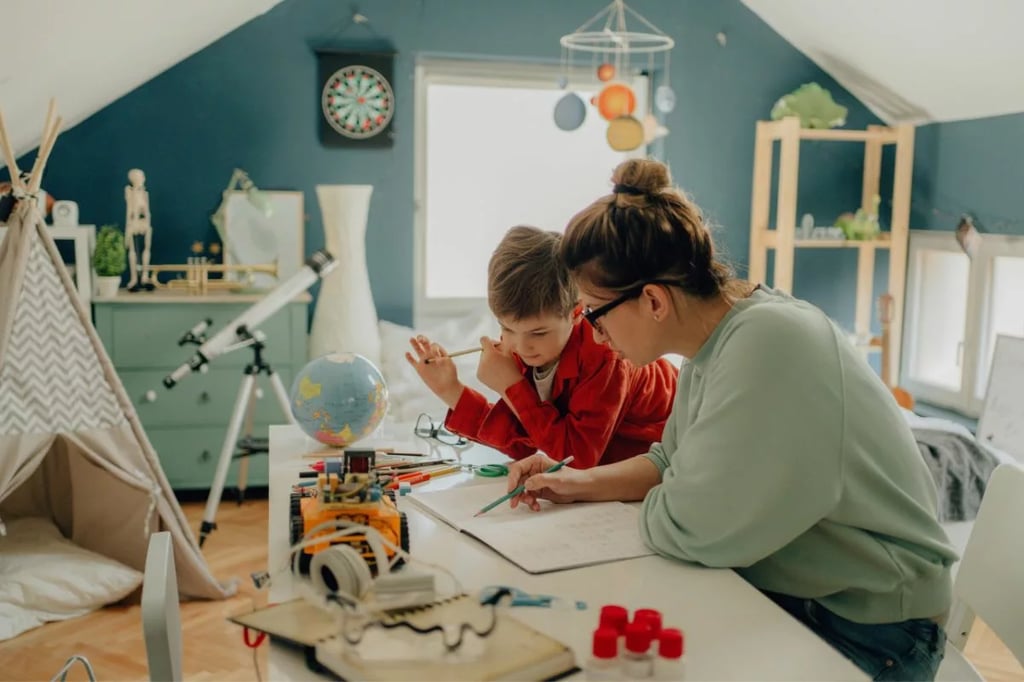
Embracing Student-Centered Learning in Middle School: A Guide
Student-centered learning is an educational approach that shifts the focus from traditional teacher-led instruction to the students themselves. This method emphasizes the unique needs, interests, and learning styles of each student. In middle school education, adopting a student-centered approach means creating a learning environment where students are actively involved in their learning process. It’s about giving them the autonomy to explore, inquire, and engage with the curriculum in ways that resonate with their personal experiences and aspirations. This approach marks a significant change from conventional teaching methods, centering the educational experience around the learner.
The shift from traditional to student-centered education represents a fundamental change in the way education is delivered and perceived. Traditional education often focuses on mechanical learning and standardized testing, with a one-size-fits-all approach. In contrast, student-centered learning advocates for a more personalized and dynamic educational experience. It encourages middle school students to take an active role in their learning journey, fostering a sense of ownership and responsibility towards their educational outcomes. This shift is not just about changing teaching techniques; it's about transforming the entire educational culture to better align with the diverse needs and potentials of every student.
The Benefits of Student-Centered Learning
Student Engagement
One of the most significant advantages of student-centered learning strategies is the notable increase in student engagement. When middle school students are placed at the center of their learning journey, they are more likely to show interest and participate actively. This approach encourages them to explore subjects that resonate with their interests and experiences, leading to a deeper connection with the material. Engaged students are not just passive recipients of information but active contributors to their learning process, leading to a more dynamic and interactive classroom environment.
Critical Thinking Skills
Student-centered learning in middle school fosters enhanced critical thinking skills. This educational approach challenges students to analyze, question, and synthesize information rather than just memorize it. As they navigate through various learning activities, they develop the ability to think independently and solve problems creatively. This skill set is crucial not only in academic settings but also in real-life scenarios, preparing them to face complex challenges with a well-equipped intellectual toolkit.
Lifelong Learning
A core objective of student-centered learning is to instill a love for lifelong learning. By making education relevant and engaging, students are more likely to develop a continuous thirst for knowledge that extends beyond the classroom. This educational approach teaches students how to learn, making them self-motivated learners who are curious and eager to expand their understanding independently. Lifelong learning is a vital skill in our rapidly changing world, and student-centered education lays a strong foundation for this continual personal and professional growth.
Personalized Learning Paths
Student-centered education in middle school is synonymous with personalized learning. This method acknowledges that each student has a unique learning style and pace. By offering personalized learning paths, education becomes more inclusive and effective. Students are provided with resources and opportunities that align with their individual needs, allowing them to flourish in areas where they excel and receive support where needed. This personalized approach leads to a more fulfilling and successful educational experience for each student.
The Role of Technology in Personalized Education
Technology's integration into education has revolutionized how learning is approached, especially in personalized education. In middle school, where students are at a crucial developmental stage, the use of digital tools can significantly enhance the learning experience. These tools not only support various learning styles but also encourage students to engage with the material in interactive and innovative ways. Here, we explore some key digital tools that are shaping personalized learning experiences in middle school.
- Interactive Learning Platforms: These platforms offer dynamic, engaging learning experiences through multimedia content such as videos, games, and simulations. They are designed to cater to different learning preferences, making education not only more interactive but also enjoyable for students. These platforms often include assessments and feedback mechanisms that help track progress and reinforce learning, making them invaluable in a personalized learning environment.
- Educational Apps: There is a plethora of apps available that are dedicated to specific subjects or skills, enabling students to explore areas of interest deeply and at their own pace. These apps make learning more engaging and effective by using interactive elements and gamification to turn traditional subjects into compelling learning experiences. Students can personalize their learning journey, focusing on what they are passionate about or need more help with.
- Online Collaboration Tools: These tools, including digital whiteboards and project management apps, facilitate teamwork and collaborative projects, even in remote learning setups. They enable students to work together synchronously or asynchronously, fostering skills in communication and cooperation and preparing them for modern, digital work environments.
- E-books and Online Libraries: Access to a vast range of reading materials through e-books and online libraries supports personalized learning by catering to diverse interests and reading levels. These resources make it easy for students to find books that interest them, encouraging more frequent and engaged reading, which is crucial for language development and continuous learning.
- Virtual Reality (VR) and Augmented Reality (AR): VR and AR technologies create immersive learning experiences that can make abstract or complex concepts simpler to understand and more engaging. These technologies allow students to explore virtual environments or see augmented overlays that bring textbook content to life, enhancing both understanding and retention of information.
- Learning Management Systems (LMS): LMS platforms are essential for organizing and tracking educational activities. They provide a structured yet flexible environment that can be tailored to each student’s learning trajectory. These systems often include features for assigning coursework, managing grades, facilitating communication between students and educators, streamlining the educational experience, and supporting comprehensive learning paths.
These digital tools have become integral in creating tailored learning experiences in middle school, offering a blend of interactive, engaging, and personalized educational experiences. By leveraging these technologies, educators can cater to the unique learning needs of each student, making education a more inclusive and effective process.
Creating a Collaborative Classroom Environment
In a collaborative classroom environment, a key element is the empowerment of student voice and choice. This approach allows middle school students to have a say in their learning process, fostering a sense of ownership and responsibility. Teachers act as facilitators, guiding students to express their opinions and make choices about their learning paths. This environment not only enhances student engagement but also cultivates a sense of community where every student feels valued and heard. By giving students a platform to voice their ideas and preferences, educators foster a more inclusive and dynamic classroom atmosphere.
Building a community of learners is fundamental in a student-centered classroom. This involves creating an atmosphere where students feel safe to share their thoughts and learn from each other. Teachers can employ various strategies, such as group discussions, peer reviews, and collaborative projects, to encourage interaction and mutual respect among students. This community-building helps in breaking down barriers, promoting empathy, and understanding diverse perspectives. In such an environment, learning becomes a shared journey, where successes and challenges are collectively experienced and addressed.
In student-centered learning, the role of the teacher evolves from being an information provider to a facilitator of learning. This shift is crucial in a collaborative classroom. Teachers guide students in exploring concepts, encourage inquiry, and support them in applying their knowledge. Effective facilitation involves asking open-ended questions, providing resources, and helping students make connections between their learning and the real world. The teacher’s role is to create a supportive environment that encourages exploration and fosters critical thinking.
Group work and peer-to-peer learning are essential components of a collaborative classroom. These practices allow students to engage with each other, share knowledge, and work towards common goals. Through group activities, students learn to communicate effectively, resolve conflicts, and collaborate on problem-solving. Peer-to-peer learning also provides opportunities for students to teach and learn from one another, reinforcing their understanding of the material and building confidence. This collaborative approach not only enhances academic skills but also prepares students for teamwork and collaboration in future endeavors.
Implementing Student-Centered Learning Strategies
Developing Flexible Curriculums
A cornerstone of student-centered learning strategies in middle school is the development of flexible curriculums. This approach allows educators to adapt and modify the curriculum based on the evolving needs and interests of the students. Flexible curriculums are designed to be dynamic, accommodating various learning styles and paces. They enable teachers to introduce new concepts and materials that resonate with the current interests or real-world events, making learning more relevant and engaging for students. This adaptability ensures that education is not static but a responsive and evolving journey.
Utilizing Project-Based Learning Approaches
Project-based learning in middle school is an effective strategy to implement student-centered education. It involves students in real-world and meaningful projects, encouraging them to explore and solve complex problems. This method helps in developing critical thinking, collaboration, and creative skills. Through project-based learning, students are given the autonomy to direct their learning process, choose their methods of investigation, and present their findings. This active learning approach not only deepens understanding but also enhances student motivation and engagement.
Incorporating Continuous Formative Assessments
The use of continuous formative assessments in middle school is integral to student-centered learning. Unlike traditional assessments, formative assessments are ongoing and provide immediate feedback to students and teachers. This continual evaluation helps in identifying areas where students need more support and adjusting teaching methods accordingly. It also empowers students to reflect on their learning process, understand their progress, and set goals for improvement. Formative assessments are crucial for creating a learning environment that is attuned to the individual needs of each student.
Empowering Students to Take Ownership of Their Learning
Empowering students to take an active role in their learning journey is a key principle of student-centered education. This empowerment is not just about giving students control but also about nurturing their ability to direct their own learning experiences. When students feel a sense of ownership over their education, their engagement and motivation increase, leading to more meaningful and impactful learning outcomes. Key aspects of this empowerment include:
- Goal Setting: Empowerment begins when students define their own academic goals, creating a personal roadmap for their learning journey. This process involves students in setting clear, achievable objectives tailored to their aspirations and abilities. By establishing their goals, students are motivated to pursue them actively, understanding the steps they need to take and the milestones they aim to achieve. This self-directed goal-setting helps students visualize their academic path and aligns their daily efforts with their long-term educational ambitions.
- Decision Making: Students are encouraged to make choices about how to approach their learning, selecting methods and resources that best suit their interests and learning styles. This aspect of empowerment allows students to explore different learning strategies, from interactive projects to technology-based solutions, enabling them to discover what works best for them. Such freedom not only cultivates a personalized learning experience but also fosters independence and critical thinking, as students weigh various options and decide on the most effective paths for their educational journey.
- Self-Reflection: Regular self-reflection is another critical component of student empowerment. This process requires students to assess their progress and identify areas where they need to improve. By reflecting on their successes and challenges, students gain valuable insights into their learning habits and are better equipped to make adjustments to enhance their educational outcomes. Self-reflection also encourages a growth mindset, as students recognize that their abilities develop through their efforts and that challenges are opportunities for learning and development.
- Active Participation: This includes contributing ideas, participating in discussions, and taking initiative in various learning activities. Active participation ensures that students are not just passive recipients of information but are engaged, dynamic contributors to their learning environments. This engagement is crucial for deep learning and retention, as students apply and contextualize knowledge in meaningful ways.
This approach to education does more than just enhance academic performance; it fosters a sense of self-efficacy and personal development. Students who are empowered to take ownership of their learning develop skills that extend beyond the classroom, preparing them for the challenges and opportunities of lifelong learning and personal growth.
Overcoming Challenges in Student-Centered Education
One of the primary challenges in shifting towards student-centered education is overcoming resistance to change. This resistance can come from various quarters – educators accustomed to traditional teaching methods, parents uncertain about new approaches, or even students themselves who might be skeptical of departing from familiar learning structures. To address this, it’s crucial to communicate the benefits of student-centered learning clearly and consistently. Engaging all stakeholders – teachers, parents, and students – in open dialogues can help get rid of doubts and build a collective understanding and support for this educational shift.
Another significant challenge is ensuring that educators are well-prepared to implement student-centered learning strategies. This calls for comprehensive professional development for teachers. Such training should not only focus on the practical aspects of applying new teaching methods but also on shifting the mindset from a teacher-centric to a learner-centric approach. Professional development programs need to be ongoing, offering teachers the support and resources they need to adapt and thrive in a student-centered learning environment.
Balancing a standardized curriculum with the need for personalized learning in middle school presents a unique challenge. On one hand, there is a requirement to meet certain educational standards and benchmarks; on the other, there is a need to tailor the learning experience to individual student needs. To overcome this challenge, educators need to find innovative ways to integrate personalization within the framework of the standard curriculum. This might involve incorporating choice-based assignments, project-based learning, or adaptive learning technologies that allow students to learn at their own pace while still covering the necessary content.
As technology in personalized education becomes more prevalent, ensuring equitable access to these resources is paramount. Not all students may have the same level of access to digital devices and the internet. To address this digital divide, schools, and communities need to work together to provide the necessary resources and support. This could include loaning devices to students, providing internet access points, or creating technology-friendly learning spaces. Ensuring that every student has equal access to technological tools is essential for the successful implementation of a student-centered learning model.
The ultimate goal of embracing student-centered learning strategies in middle school is to prepare students for the complexities of the modern world. This preparation goes beyond academic achievement; it’s about equipping students with the skills and mindsets necessary to navigate and contribute to an ever-evolving society. Through student agency, collaborative learning, and personalized educational paths, students learn to become critical thinkers, effective communicators, and adaptable learners. These are the skills that will serve them well not just in their academic pursuits, but in all facets of their future lives.
Student-centered learning in middle school is a journey that extends beyond the boundaries of traditional education. It's about creating a learning environment where each student is seen, heard, and valued. By fostering a supportive school culture and prioritizing student agency, we can empower students to take ownership of their learning and prepare them for the challenges and opportunities of the future. As educators, parents, and community members, our role is to support and guide students through this transformative educational experience, ensuring that they have the tools, resources, and confidence to succeed in an ever-changing world.