
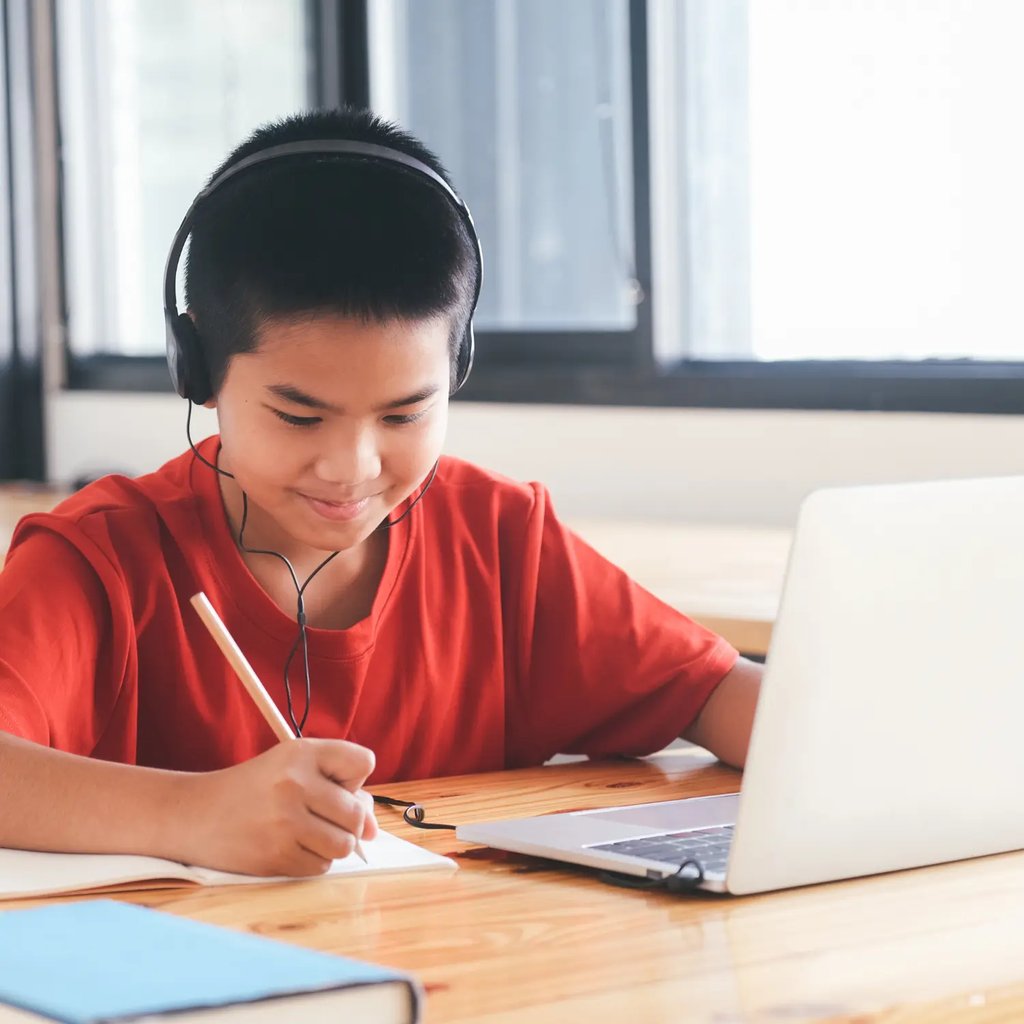
Rethinking School Structures: Innovations in Modern Education
Education has always been the backbone of society, shaping the minds of future generations. Over the years, educational structures have undergone significant transformations, moving from traditional classrooms to more dynamic and flexible learning environments. This evolution is driven by the realization that learning is not a one-size-fits-all process. Innovative school models have emerged, challenging conventional norms and introducing new methodologies that cater to the diverse needs of students. These changes reflect a broader shift in our understanding of education, recognizing it as a complex, multifaceted process that includes critical thinking, creativity, and adaptability.
Emergence of Specialized Education Models
Tailoring Education to Digital Skill Development
In a world where digital literacy is as crucial as traditional literacy, tailoring education to digital skill development is imperative. Learning design and technology play pivotal roles in this context, facilitating curricula that are not only relevant but also engaging and interactive. This approach ensures that students are well-versed in the practical aspects of technology, preparing them for a future where digital skills are in high demand. Such an educational model emphasizes the application of knowledge in real-world scenarios, making learning more meaningful and impactful.
Specialization in the Digital Age
Innovative school models that emphasize specialization in areas such as coding, digital marketing, and cybersecurity are becoming increasingly important. This focus on specialized skills is crucial for students to navigate the complexities of the modern digital landscape successfully. Modern education systems that incorporate these specialized tracks are better positioned to prepare students for the nuanced demands of today's job market, highlighting the significance of targeted education in the digital era.
Innovations in Learning Design and Technology
Reimagining Educational Experiences
Innovative learning environments now leverage multimedia resources, virtual reality (VR), and augmented reality (AR) to create immersive learning experiences. These advancements have transformed traditional learning methods, making education not only more interactive but also more effective. By engaging students in a multi-sensory learning process, educators can cater to different learning styles and preferences.
Adaptive Learning Technologies
These systems use data analytics to assess a student's learning pace, strengths, and weaknesses, adjusting the curriculum accordingly. This personalized approach ensures that all learners, regardless of their starting point, can achieve mastery in their studies. It represents a significant shift from the one-size-fits-all model, fostering an environment where every student can thrive.
Gamification and Interactive Learning Environments
Gamification has transformed the educational sphere by integrating game mechanics into learning environments, therefore enhancing student engagement and motivation. Incorporating elements like points, badges, leaderboards, and challenges turns traditional learning activities into more interactive and enjoyable experiences. This approach taps into the natural human desires for competition and achievement, making the learning process not only fun but also inherently rewarding. It also allows for immediate feedback, which is crucial for learning, as students can quickly understand what they need to improve and adjust their strategies accordingly.
Utilizing AI and Machine Learning in Education
The integration of Artificial Intelligence (AI) and Machine Learning (ML) in education represents a pivotal shift towards more adaptive and efficient learning environments. By leveraging these technologies, educators and institutions can offer a more personalized and engaging educational experience. This transformation is characterized by several key developments:
- Personalized Learning Paths: AI algorithms play a critical role in personalizing education. By analyzing data on students' learning habits and performance, these systems can tailor educational materials to match the unique needs of each learner. This ensures that each student encounters content that is not only relevant but also pitched at the right level of difficulty, fostering a more effective and engaging learning process. The impact of such customization is profound, enabling students to progress at their own pace and according to their learning styles, which can significantly enhance their understanding and retention of new information.
- Automated Administrative Tasks: The burden of administrative tasks on educators is significantly reduced through the use of AI tools. Tasks that traditionally consumed a substantial amount of time, such as grading exams and organizing schedules, can now be automated. This shift allows teachers to devote more of their energy and time to direct engagement with students, enhancing the quality of education.
- Enhanced Tutoring Systems: The development of AI-powered tutoring systems marks a significant advancement in educational support. These systems are designed to offer additional help to students, providing them with personalized feedback and instruction tailored to their specific needs and questions. By adapting to each student's learning pace and style, these tutoring systems can address individual challenges effectively, making learning more accessible and reducing the risk of students falling behind.
- Predictive Analytics: Machine Learning algorithms are increasingly used to forecast student outcomes, enabling educators to identify at an early stage those who are at risk of underperforming. This predictive capability allows for timely interventions, offering support and resources to help students overcome obstacles and improve their academic performance. The use of predictive analytics in education not only helps in enhancing student outcomes but also aids in the optimal allocation of resources, ensuring that support is directed where it is most needed.
- Content Adaptation: AI's ability to adapt content in real-time according to a student's performance is a game-changer in educational methodologies. This dynamic adjustment of the difficulty level ensures that students are consistently challenged but not overwhelmed, promoting a steady and effective learning progression. Whether making the content more challenging for quick learners or simplifying it for those who need more time, this adaptive approach ensures that all students can achieve their full potential.
These technologies not only enhance the educational experience for students but also support educators in delivering high-quality instruction. As we continue to explore and expand the capabilities of AI and ML in education, the potential for further innovation and improvement in learning outcomes remains vast.
Redefining School Spaces for Modern Learning
Integrating Physical and Virtual Learning Spaces
In the contemporary educational landscape, there is a growing recognition of the importance of blending physical and virtual learning environments. This integration facilitates a seamless learning experience, allowing students to transition effortlessly between in-person and online modalities. By leveraging school design innovations, educators can create flexible learning spaces that accommodate a variety of teaching methods and learning activities. These hybrid spaces are essential, ensuring that students can benefit from both the social interaction of traditional classrooms and the convenience and personalization of online learning.
The Impact of School Design on Student Engagement
The design of educational spaces plays a pivotal role in shaping students' attitudes and engagement with their learning. Bright, airy classrooms filled with natural light not only enhance aesthetic appeal but also contribute to an improved mood among students, making the learning environment more welcoming and less stressful. The inclusion of green spaces within school premises offers a dual benefit; they serve as calm retreats for relaxation and as stimulating settings for environmental education. This holistic approach to school design can significantly uplift students' spirits and boost their motivation to engage actively in their studies. Integrating elements of nature into school design, such as indoor plants or garden classrooms, can improve air quality and provide students with a tangible connection to the natural world, enriching their educational experience.
The modern educational landscape demands facilities that cater to the evolving needs of students, particularly in terms of technology and specialized learning areas. Well-equipped labs and technology hubs are essential for fostering practical skills and stimulating intellectual curiosity. These resources provide hands-on experiences that are critical in sciences, technology, engineering, and mathematics (STEM) education, promoting an exploratory learning attitude. Advanced facilities such as makerspaces, which include tools and materials for digital fabrication, encourage students to invent, experiment, and learn through direct interaction with educational materials.
Advancements in Education Technology Tools
Interactive Tools for Enhanced Learning
These advancements have paved the way for more engaging, efficient, and customized learning experiences, marking a significant shift from traditional educational methods towards a more dynamic and interactive approach. The following tools are at the forefront of this transformation:
- Interactive Whiteboards: These modern devices have revolutionized classroom dynamics by turning passive lectures into interactive sessions. Interactive whiteboards allow teachers to display digital content, including videos, images, and documents, in a visually engaging format. They also enable on-screen writing and drawing, which can be saved and shared with students, facilitating a more collaborative and participative learning environment.
- Digital Textbooks: Unlike their physical counterparts, digital textbooks offer a rich multimedia experience, with the inclusion of simulations, animations, and hyperlinks to supplementary resources. This interactive content makes learning more engaging and helps students grasp complex concepts by visualizing them in action. Digital textbooks can be easily updated, ensuring that learners have access to the most current information
- Educational Software: This broad category includes a variety of applications designed to enhance learning through interactive quizzes, exercises, and games. Educational software adapts to the user's performance, adjusting difficulty levels to suit individual learning speeds.
The arrival of these technologies has not only made learning more interactive but also more accessible, allowing students to engage with educational content anytime and anywhere. This shift towards interactive learning tools represents a significant advancement in educational methodologies, offering opportunities for students to explore and learn in ways that are most effective for them.
Improving Access to Educational Resources
One of the key benefits of the latest trends in education technology is the improved access to educational resources it provides. Online libraries, educational apps, and open-source platforms offer a wealth of information and learning materials that are available to students anytime, anywhere. This democratization of education resources helps to level the playing field, ensuring that students from various backgrounds have the opportunity to access high-quality learning materials. The widespread availability of educational technology tools has the potential to bridge gaps in education access, making learning more equitable.
Supportive Technologies for Teachers
Tools such as Learning Management Systems (LMS), student performance tracking software, and digital assessment platforms streamline administrative tasks and enhance classroom management. As mentioned previously, by reducing the time spent on administrative tasks, teachers can focus more on instruction and interaction with students, therefore improving the quality of education.
Evaluating the Efficacy of EdTech Tools
As the adoption of education technology tools increases, evaluating their efficacy becomes crucial. Research and data analytics play a vital role in understanding how these tools impact learning outcomes and student engagement. By collecting and analyzing data on usage patterns, performance improvements, and student feedback, educators and policymakers can make informed decisions about which technologies to implement and how to best integrate them into the curriculum. Continuous evaluation ensures that education technology remains effective and relevant, contributing to the ongoing improvement of teaching and learning practices.
Digital Literacy: A Foundation for Success
Definition
Digital literacy in education includes much more than the ability to use technological devices. It involves understanding how technology works and how it can be used responsibly to find, evaluate, create, and communicate information. This skill set is essential in today's digital age, where technology permeates every aspect of life. Teaching digital literacy means preparing students not only to navigate the digital world safely and effectively but also to leverage technology for learning, problem-solving, and creativity. By defining digital literacy as a core component of education, schools can ensure that students are equipped with the critical thinking and technical skills needed to succeed in the 21st-century workforce.
The Role of Educators in Promoting Digital Literacy
Educators are not only instructors but also role models who demonstrate how to use technology effectively and ethically. Professional development opportunities that enhance teachers' digital literacy are essential, as they equip educators with the skills and knowledge needed to integrate technology into their teaching practices effectively. Furthermore, educators can foster a culture of digital literacy by encouraging critical thinking about technology and its impact on society, guiding students to become thoughtful and informed users of digital tools.
Global Educational Standards and Technological Integration
Examining Diverse Practices Worldwide
The integration of technology in education varies widely across the globe, influenced by factors such as economic resources, infrastructure, and cultural attitudes towards education. Global educational standards and practices provide a framework for understanding these differences and for sharing best practices in technology integration. By examining how different countries implement educational technology, educators and policymakers can gain insights into effective strategies for enhancing learning outcomes and reducing educational disparities.
Challenges and Opportunities in Technology Integration
To fully harness the potential of educational technology, we must confront and overcome several key issues:
- Digital Divide: The digital divide represents the gap between those who have easy access to technology and those who do not. Efforts to bridge this divide can significantly enhance inclusivity in education, allowing students from varied backgrounds to benefit equally from digital learning tools. Initiatives might include subsidizing internet access, providing devices to underprivileged students, and creating more digital content tailored to diverse learning needs. By tackling these barriers, we can create an educational system that equips every student with the tools necessary for success in a digital world.
- Teacher Training: Effective integration of technology into classrooms rests significantly on teacher competence in utilizing these tools. Professional development programs aimed at training educators can profoundly impact educational practices. These programs should focus not only on the technical aspects of the new tools but also on pedagogical strategies that leverage technology to enhance learning. Schools can ensure that teachers stay up to date on educational technologies and raise the standard of instruction.
- Pedagogical Adaptation: Adapting teaching methodologies to incorporate technological advancements is critical. This involves rethinking traditional teaching approaches and designing new instructional strategies that make effective use of educational technology. Training programs should include hands-on activities that allow teachers to experience and reflect on the integration of tech in their teaching practices. Such adaptations help in making lessons more engaging and can significantly improve learning outcomes by catering to diverse learning styles and needs.
Addressing these challenges not only mitigates existing barriers but also drives innovation and progress within the educational sector. By actively engaging with these issues, educators and policymakers can catalyze the transformation of educational environments, ultimately leading to enhanced educational outcomes and a more equitable learning landscape.
To prepare students for the complexities of tomorrow's workforce, education systems must evolve to embrace the changes brought about by technological advancement. This involves not only teaching technical skills but also fostering adaptability and lifelong learning. As digital technology continues to transform industries, the ability to navigate this landscape will be critical for personal and professional success. By prioritizing digital literacy, innovation, and global awareness, educators can equip students with the tools they need to thrive in the future workforce.